We are currently experiencing issues with our gift card processing system. Our team is actively working on a solution to restore service.

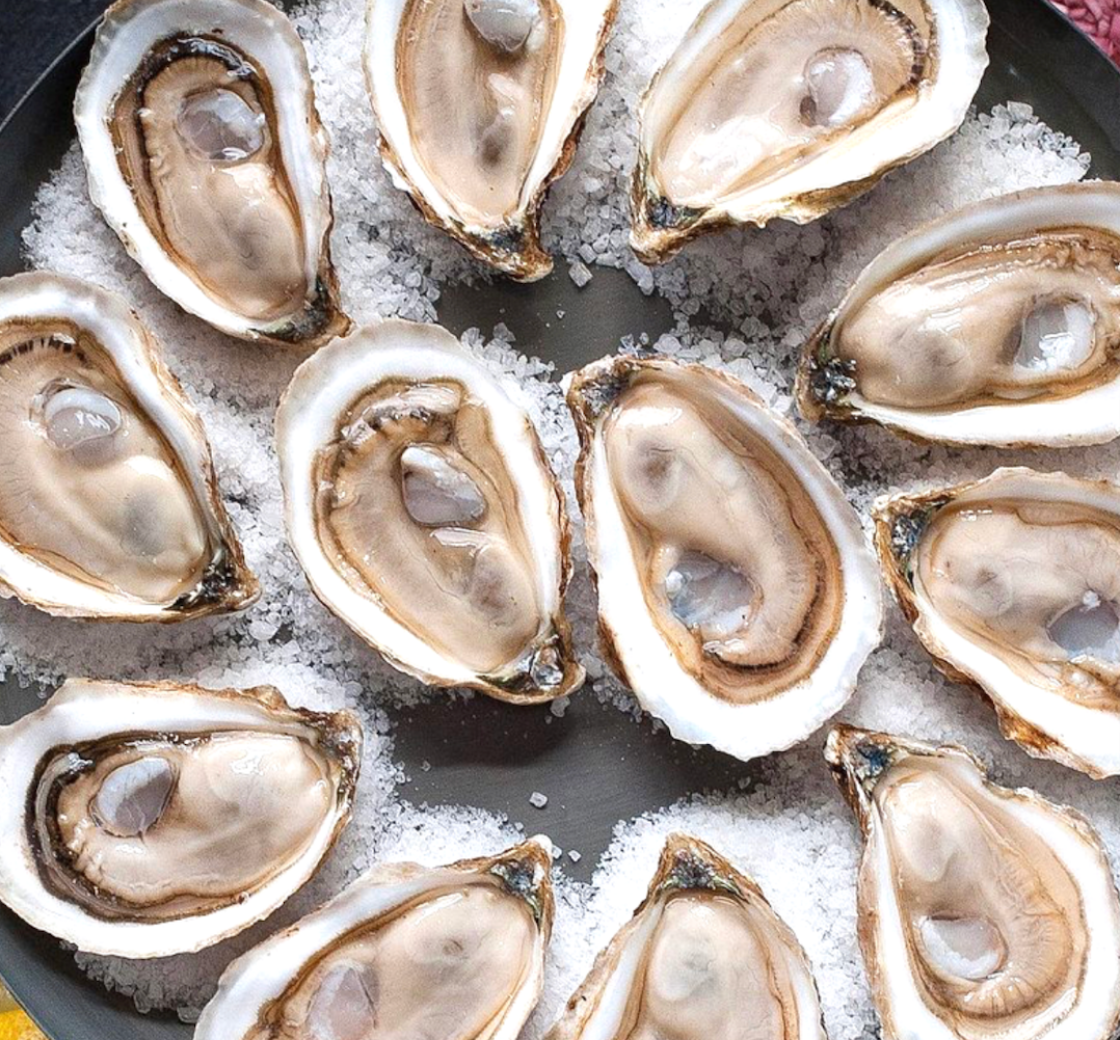
This class is for oyster lovers, wine lovers, and the oyster and wine curious! At the Oyster Café pop-up, you’ll enjoy one dozen oysters, two unique oyster species, raw on the half shell oysters, a surprise cooked oyster recipe, and a shucking demo! You’ll also exercise the “6 S’s of oyster tasting,” including appellation and how wine terroir meets oyster merroir; and learn about buying, storing, and serving oysters at your home. Wine pairings and tastings included!
 One 3 Hour Lesson
 Level 1
 $150
$150
You will work in teams to execute the class menu. At the end of class, participants gather to enjoy the food they have prepared. Wine is served with meals in most classes. All class menus are subject to change. While a snack platter is offered in both morning and evening classes, you may want to consider a light snack before joining us for class. Students are encouraged to bring a light lunch or dinner to all pastry classes.
You will work in teams to execute the class menu. At the end of class, participants gather to enjoy the food they have prepared. Wine is served with meals in most classes. All class menus are subject to change. While a snack platter is offered in both morning and evening classes, you may want to consider a light snack before joining us for class. Students are encouraged to bring a light lunch or dinner to all pastry classes.
The South is quite possibly the most delicious region in the country. It's hard not to love its fried...well, its fried everything, plus its braised vegetables and its mile-high pies and cakes. In the land of biscuits and sweet tea, life centers around mealtimes. Come learn a few of those Southern favorites, including: pimento cheese; Southern fried chicken; slow-roasted barbecue ribs; biscuits with honey butter; and braised collard greens. You will sip on sweet tea to complete your feast.
Once you master essential cooking techniques, you possess the culinary grounding to cook both classical cuisines and the latest cooking styles. These full-participation classes teach fundamental skills, not just recipes. Most important, you'll gain the experience you need to cook with confidence and pleasure---without relying strictly on recipes. Each class culminates with a student-prepared meal. The course consists of four 6-hour classes. Fine Cooking 1 is a prerequisite to Fine Cooking 2. The course completes in four days.
Braising - searing at a high temperature, then finishing in a liquid at a lower temperature to infuse flavor - can add umami and more to pretty much any meal! And the best part is, it creates tender, juicy dishes with a minimum of effort. We'll master this technique as we make a braised banquet of: Guinness-braised short ribs with creamy polenta; braised chicken thighs with mushrooms and balsamic vinegar and braised fennel.
Sushi-making doesn't have to be limited to the view from a seat at your local Japanese restaurant. Bring the sushi bar home by practicing your skills at preparing nigiri (sashimi fish on top of thumb-size, compact sushi rice), perfecting the texture of rice, and learning the proper techniques to create a stellar hand roll. Once you've gotten the basics down, you will try your hand at: sushi rice; maki and futomaki rolls (both thin and thick), inside-out rolls; nigiri and temaki (hand roll).. You will soon learn that sushi is something you too can master.

Ranked as America’s Best Culinary School (USAToday 2019), our roster of Chef-Instructors have run top kitchens around the globe.


| (Separate multiple addresses with commas like: john@aol.com, jane@aol.com) | |


 Login/Register
 Calendar
 Login/Register


