
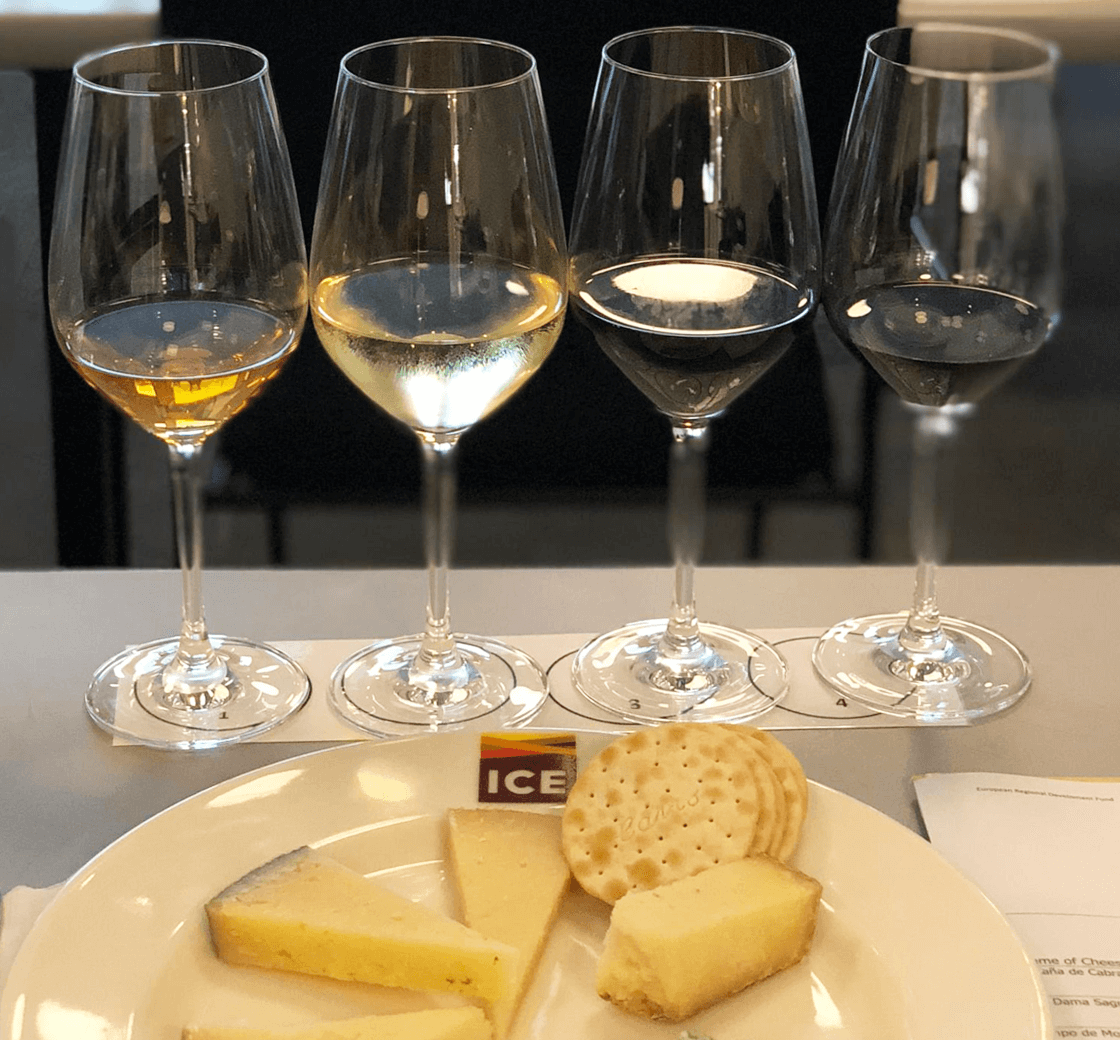
This four-session continuation of the Wine Essentials series offers in-depth exploration and tastings of some of the world’s more interesting and unusual wines. Studies will include an expanded array of lesser-known varietals and wines, as each class concentrates on one wine category and delves into the wines’ production, characteristics and uses, including discussions of food and wine pairing. Session 1: Advanced White Wines: Side-by-Side Tasting of Interesting Aromatic and Fruity Wines. Session 2: Advanced Red Wines: In-Depth Comparison of Selected Wines From Old and New World Regions. Session 3: Off-Dry to Sweet: Exploration of Elegant Rieslings to Cru Classé Sauternes. Session 4: Fortified and Aromatized Wines With Wine Service: Fascinating Wines, From Vermouths and Sherries to Madeiras and Portos.
 Four 2 Hour 15 Minutes Lessons
 Level 2
 $440
$440
You will work in teams to execute the class menu. At the end of class, participants gather to enjoy the food they have prepared. Wine is served with meals in most classes. All class menus are subject to change. While a snack platter is offered in both morning and evening classes, you may want to consider a light snack before joining us for class. Students are encouraged to bring a light lunch or dinner to all pastry classes.
You will work in teams to execute the class menu. At the end of class, participants gather to enjoy the food they have prepared. Wine is served with meals in most classes. All class menus are subject to change. While a snack platter is offered in both morning and evening classes, you may want to consider a light snack before joining us for class. Students are encouraged to bring a light lunch or dinner to all pastry classes.
Join an ICE Pastry Chef to learn the secrets behind perfect pâte à choux-based desserts. This versatile dough can take all sorts of shapes and sizes, for end-results that look complicated and impressive but are in reality easy to make. Your recipe list includes eclairs with chocolate glaze and chocolate pastry cream and cream puffs with vanilla pastry cream.
Grilling is one of the best ways to cook food simply while obtaining a maximum amount of flavor. You can grill on the stovetop, in your backyard, or over charcoal or gas. In this class you will learn how to modify your grilling technique depending on the medium used. You will also discuss how dry rubs and sauces are used on the grill, then put those lessons to use as you make: grilled steaks; shrimp skewers; chicken satay with peanut dipping sauce and grilled portobello mushrooms and zucchini.
Although it contains vast areas of arid landscape, the Middle East is a fertile spot on the culinary map. Over the years, various empires have ruled the region's countries, leaving their imprint on the colorful, aromatic and diverse flavors. Recipes are dominated by spice blends, in-season vegetables and fruits, grains, olives and olive oil, nuts, herbs, and pickled and preserved foods. From Beirut, the “Paris of the Middle East,” to Jerusalem, considered the oldest city in the world, you will get a taste of the incredible culinary heritage with a magnificent vegetarian menu of hummus; tabbouleh; spicy falafel, tahini sauce; baba ghanoush and homemade pita.
Asian cuisine is comforting, flavorful and often fairly simple to prepare. So why order in for Chinese, Korean, Thai or Japanese, when you can create a fabulous Asian meal for two (or more) that's fresh and fulfilling? Come to ICE to learn these cornerstones of Asian cuisine, including: spareribs with black bean sauce; vegetable potstickers; pad thai; and green papaya salad.

Ranked as America’s Best Culinary School (USAToday 2019), our roster of Chef-Instructors have run top kitchens around the globe.


 Login/Register
 Calendar
 Gift Cards
 Login/Register


