
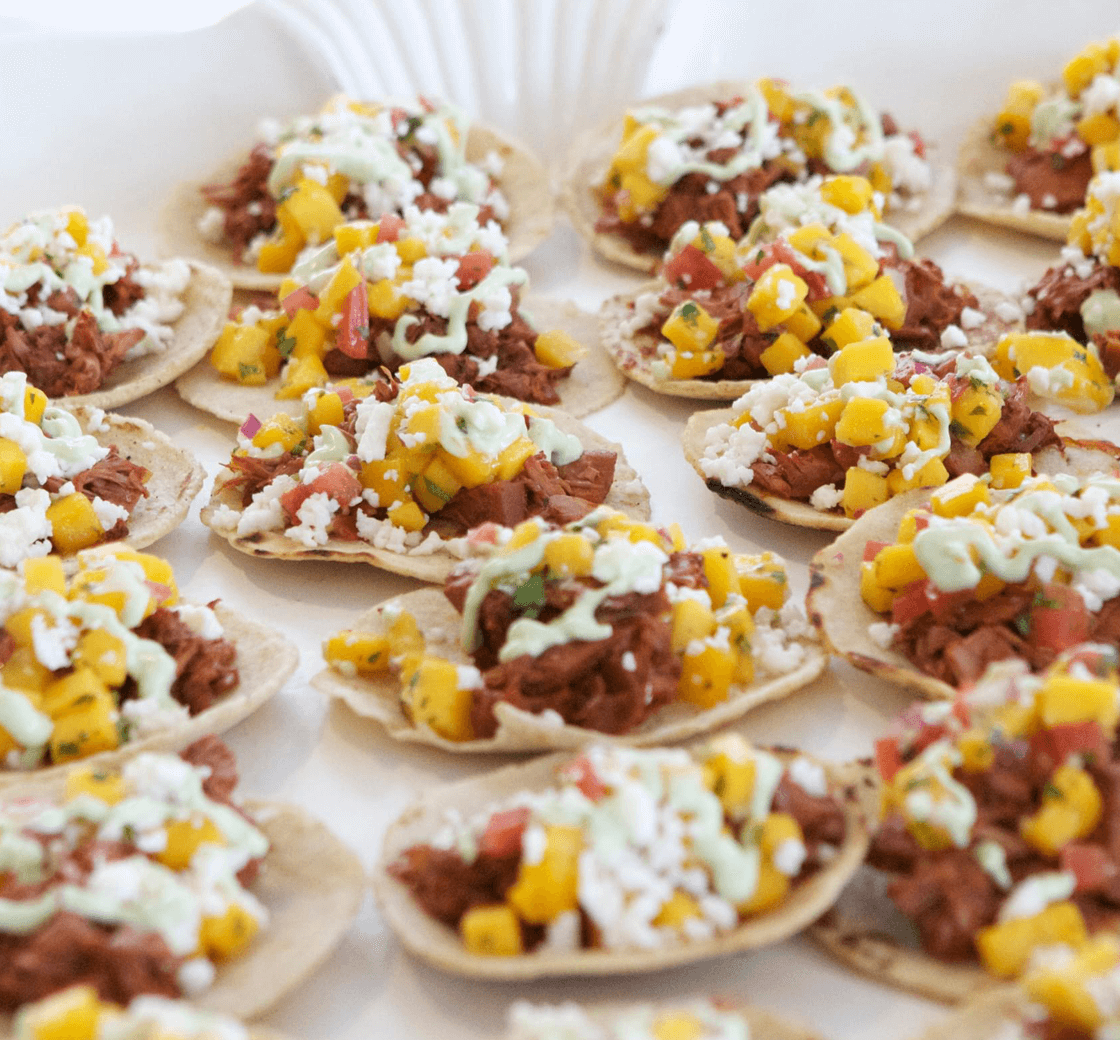
Kick back with this mini vacation to Mexico. Together, couples will learn to make a Mexican feast for every palate, including: fresh corn tortillas; adobo chicken; grilled skirt steak; sautéed shrimp; fresh pico de gallo; guacamole; and to drink, a classic margarita.
 One 3 Hour Lesson
 Level 1
 $300
$300
You will work in teams to execute the class menu. At the end of class, participants gather to enjoy the food they have prepared. Wine is served with meals in most classes. All class menus are subject to change. While a snack platter is offered in both morning and evening classes, you may want to consider a light snack before joining us for class. Students are encouraged to bring a light lunch or dinner to all pastry classes.
You will work in teams to execute the class menu. At the end of class, participants gather to enjoy the food they have prepared. Wine is served with meals in most classes. All class menus are subject to change. While a snack platter is offered in both morning and evening classes, you may want to consider a light snack before joining us for class. Students are encouraged to bring a light lunch or dinner to all pastry classes.
The flavorful cuisine of Cuba reflects the country’s Spanish, African and Caribbean influences. From cooling ceviche to hearty ropa vieja, these influences manifest themselves in an array of seafood and meat preparations, not to mention unforgettable side dishes that will make you wonder why you didn't cook Cuban sooner. You will make ropa vieja (shredded flank steak in tomato sauce); pescado enchilado (sea bass in sofrito); frijoles negros (black beans Cuban-style); rice and tostones (savory fried plantains).
Step down from the barstool — and go behind the bar instead! This Mixology 101 class teaches the foundational cocktail-making skills and techniques used by professional bartenders. (Much like “knife skills” is the first course taken by aspiring culinarians, Mixology 101 is the first building block toward more comprehensive cocktail knowledge.) This class covers: highball, old fashioned, martini, daiquiri , sidecar/daisy, and flips
Much more than just Shiraz and Sauvignon Blanc, these two relatively recent world wine powerhouses make some of the most delicious wines available, in every category and every style. This tasting with ICE’s resident sommelier, Richard Vayda, explores the regions' no-holds-barred range of wines---from big, fruity reds to nuanced Pinot Noirs to traditionally produced sparkling wines. A look at each country’s geography, labeling, and complementing cheeses will be included. You'll explore the world’s quintessential winemaking regions in depth. Learn what makes each terroir unique, the characteristics of New and Old World vintages, and the definitive grapes and blends that make each region deserving of special attention. Along with each wine, you'll taste a selection of cheeses from that region, tastily illustrating the culinary adage: "What grows together, goes together"!
This series covers all you need to know to create spectacular piped and hand-molded cake decorations. After completing the class, students will be able to design and create gorgeous cakes for friends and family. Courses in this series must be taken in sequence. Prerequisite: Techniques of Cake Decorating 1. Cake Decorating 2: Rolled fondant; ruffling; extension work; royal icing lacework; brush embroidery; and gum paste flowers.

Ranked as America’s Best Culinary School (USAToday 2019), our roster of Chef-Instructors have run top kitchens around the globe.


 Login/Register
 Calendar
 Gift Cards
 Login/Register


