
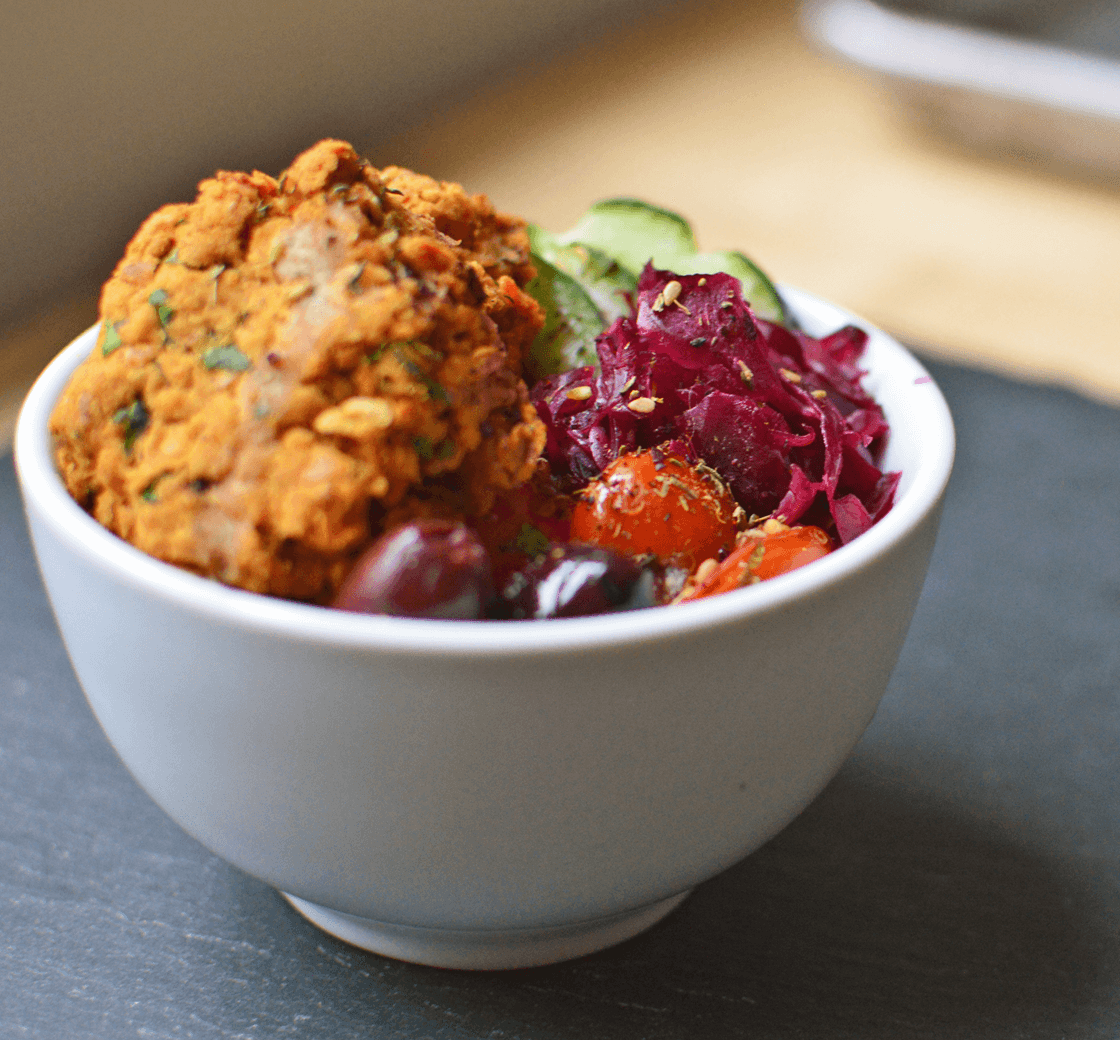
What does "healthy cooking" mean, anyway? Plant-based? Macrobiotic? Low-salt? Gluten-free? Depending on whom you ask --- whether it be a nutritionist, a doctor, a chef or your mom - you will likely get different answers. While there is no single definition for what constitutes healthy eating, most people will agree that there are several key principles and dietary guidelines that will lead you toward a well-balanced diet. In this intensive series, we will explore a sensible approach to cooking and eating, using a wholesome array of ingredients. You will learn which foods you should choose on a regular basis to keep your body running smoothly, as well as those you should try to limit and why. Each day, you’ll get fully hands-on in our kitchens as you master a variety of dishes that demonstrate how you can cook healthfully, without sacrificing flavor.
 Four 6 Hour Lessons
 Level 2
 $900
$900
You will work in teams to execute the class menu. At the end of class, participants gather to enjoy the food they have prepared. Wine is served with meals in most classes. All class menus are subject to change. While a snack platter is offered in both morning and evening classes, you may want to consider a light snack before joining us for class. Students are encouraged to bring a light lunch or dinner to all pastry classes.
You will work in teams to execute the class menu. At the end of class, participants gather to enjoy the food they have prepared. Wine is served with meals in most classes. All class menus are subject to change. While a snack platter is offered in both morning and evening classes, you may want to consider a light snack before joining us for class. Students are encouraged to bring a light lunch or dinner to all pastry classes.
Today's best French cooking combines time-tested techniques with classic French ingredients in modern flavor combinations. We’ll put all of these principles into practice as we assemble a banquet par excellence, consisting of: escargot (snails); magret de canard aux cerise (duck breast with cherries); rack of lamb Persillade; and sautéed carrots with quatre épices.
On Sundays in Italian neighborhoods in Brooklyn, families gather for hearty dinners of Italian-American favorites. You will enjoy the preparation of a generous Sunday dinner including: bucatini with meatballs, sweet sausage and Sunday gravy; chicken cacciatore with polenta; fennel layered with potatoes and breadcrumbs; and broccoli salad.
The flavorful cuisine of Cuba reflects the country’s Spanish, African and Caribbean influences. From cooling ceviche to hearty ropa vieja, these influences manifest themselves in an array of seafood and meat preparations, not to mention unforgettable side dishes that will make you wonder why you didn't cook Cuban sooner. You will make ropa vieja (shredded flank steak in tomato sauce); pescado enchilado (sea bass in sofrito); frijoles negros (black beans Cuban-style); rice and tostones (savory fried plantains).
In this new cinnamon rolls and hot cross buns class, you’ll bake two treats guaranteed to wow your brunch guests (and guaranteed to solidify your position in the friend group as “host with the most”). Aromatic and comforting, cinnamon rolls and hot cross buns are joy-filled food hugs. Sign up to bake them today!

Ranked as America’s Best Culinary School (USAToday 2019), our roster of Chef-Instructors have run top kitchens around the globe.


 Login/Register
 Calendar
 Gift Cards
 Login/Register


