
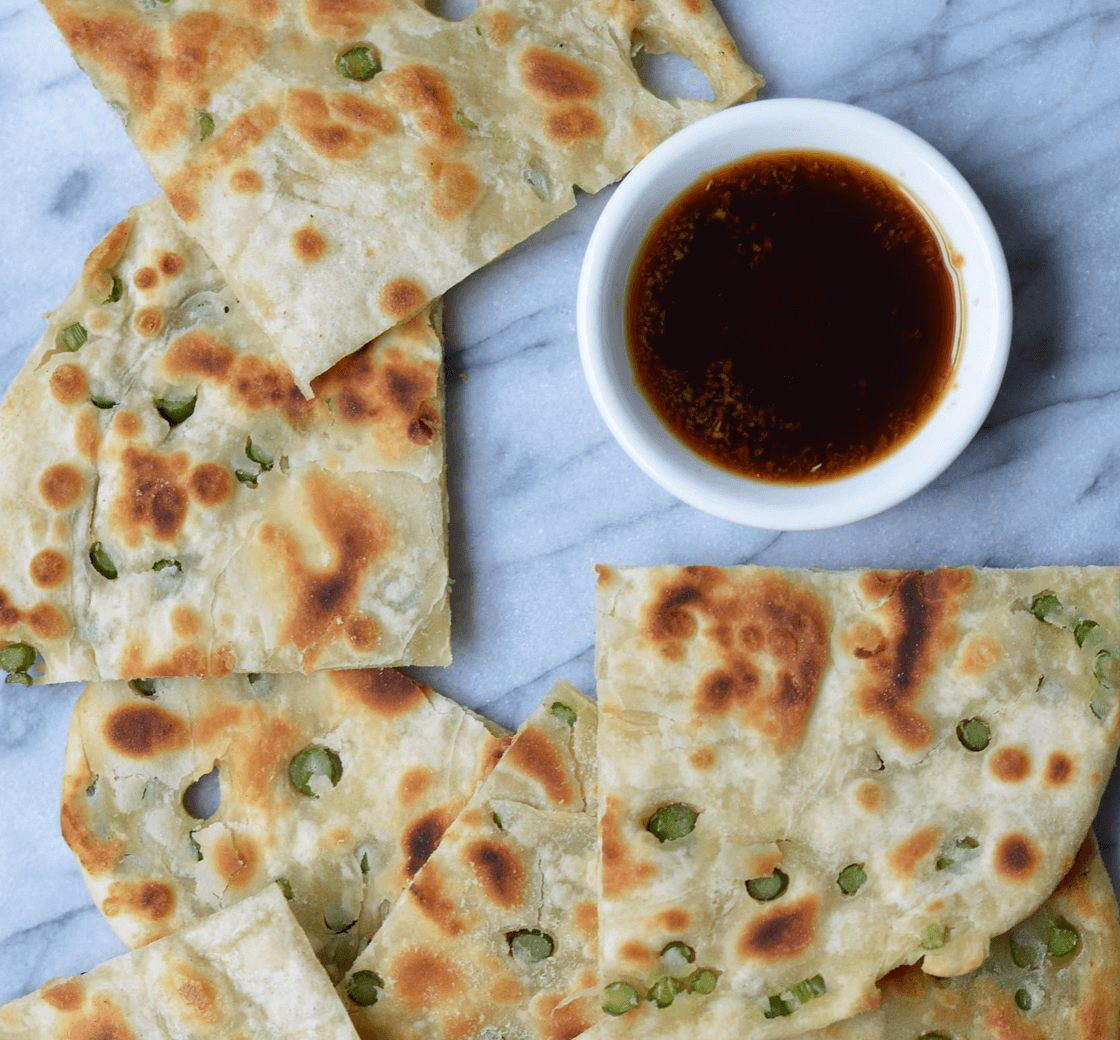
One of the world's oldest cultures, China has a complex cuisine, with a range of regional dishes often not found anywhere outside of the country. Some techniques, ingredients and dishes are similar throughout all of China; this Essentials class focuses on those, giving you a well-rounded overview of Chinese food and culinary culture. From stir-frying and braising to steaming and red cooking, you will learn to use traditional Chinese techniques to make a menu that includes: scallion pancakes with dipping sauce; red-cooked chicken with rice; dan dan noodles; and Chinese broccoli with oyster sauce.
 One 3 Hour Lesson
 Level 1
 $150
$150
You will work in teams to execute the class menu. At the end of class, participants gather to enjoy the food they have prepared. Wine is served with meals in most classes. All class menus are subject to change. While a snack platter is offered in both morning and evening classes, you may want to consider a light snack before joining us for class. Students are encouraged to bring a light lunch or dinner to all pastry classes.
You will work in teams to execute the class menu. At the end of class, participants gather to enjoy the food they have prepared. Wine is served with meals in most classes. All class menus are subject to change. While a snack platter is offered in both morning and evening classes, you may want to consider a light snack before joining us for class. Students are encouraged to bring a light lunch or dinner to all pastry classes.
Take a trip to the Mediterranean with "Essentials of Greek Cooking." This class reveals the secrets behind beloved Greek dishes by focusing on fresh ingredients and traditional techniques. You'll learn to make flaky, savory Spanakopita; master the art of delicate Dolmades (stuffed grape leaves) with bright Avgolemeno sauce; prepare a classic Horiatiki Salad; and create comforting Kota Kapama (a flavorful chicken and orzo dish simmered in a rich tomato sauce). Immerse yourself in the vibrant flavors and traditions of Greek cuisine!
Nothing beats the rich flavor and perfectly al dente texture of handmade pasta. So let's practice making our own pastas by hand and concoct some rich fillings, learning how to stuff ravioli, tortellini and cannelloni. As we make these three heavenly pastas, we'll complete them with homemade sauces that are the perfect complement to each shape and filling. You'll handcraft: lemon ricotta ravioli with sage brown butter, roasted red pepper tortellini in fra diavolo sauce, and beef angolotti in brodo.
Travel the world with hearty and vibrant vegetarian entrees from around the globe! These international standouts will quickly become your go-to recipes for any day of the week. Healthful, flavor-packed and a snap to make, this is a menu you'll love learning together. We'll make all three dishes, from comfort food to Asian specialties to Mexican mains, then sit down to this meal of: sesame-crusted Asian tofu with garlic-fried wild rice; enchiladas suizas with cheese and roasted vegetables; and orecchiette pasta with roasted cauliflower and caramelized onions.

Ranked as America’s Best Culinary School (USAToday 2019), our roster of Chef-Instructors have run top kitchens around the globe.


 Login/Register
 Calendar
 Gift Cards
 Login/Register


