
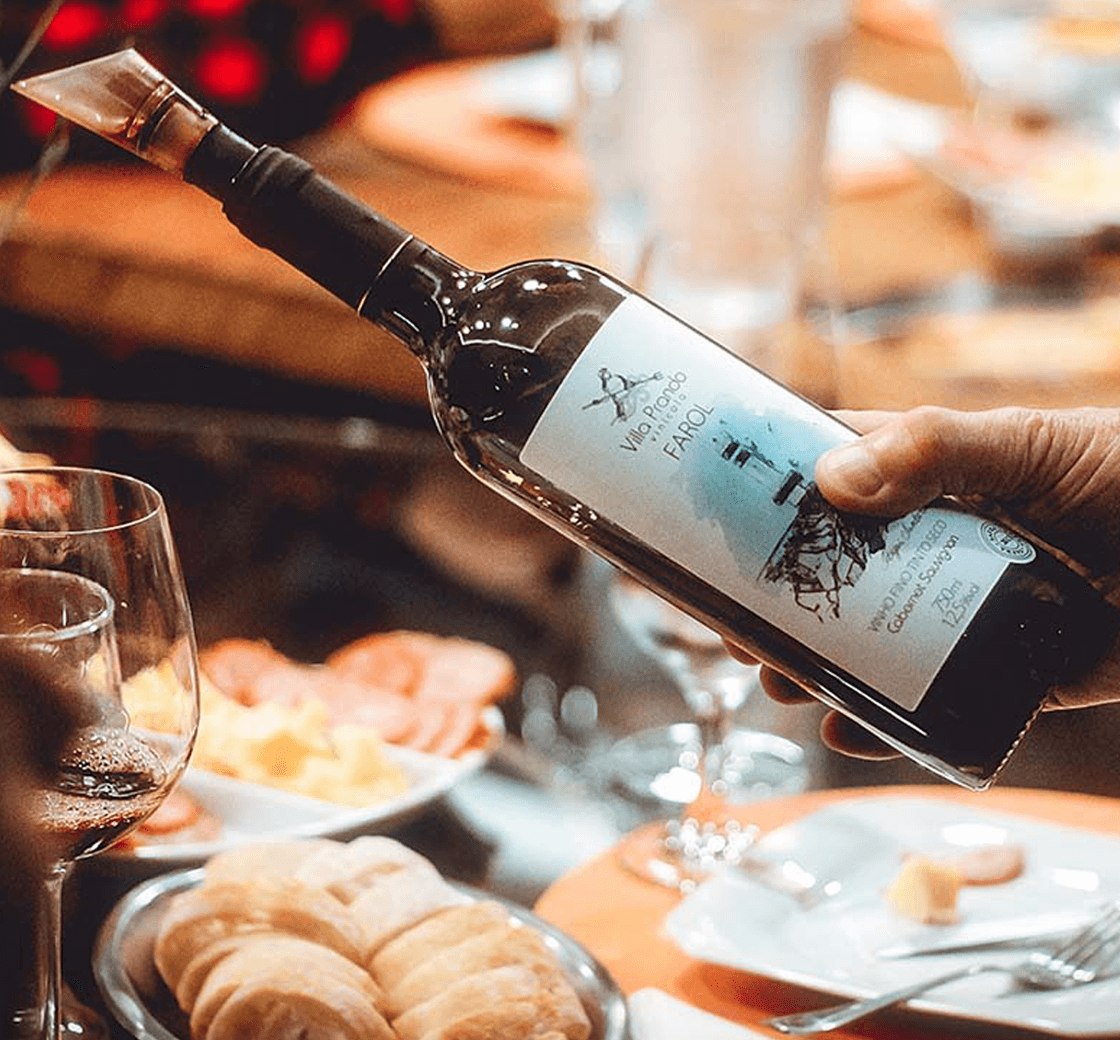
Do you need an antidote for the cold weather? Can that antidote never be too rich or too flavorful? How about spending a whole evening with lush red wines from around the world and hearty cheeses that match them? Richard Vayda, ICE's director of wine studies, will discuss cheesemaking and cheese service, as well as red wine and food pairing, as you sip and eat the evening away. We'll taste at least eight wines, plus matching cheeses.
 One 2 Hour 15 Minutes Lesson
 Level 1
 $125
$125
You will work in teams to execute the class menu. At the end of class, participants gather to enjoy the food they have prepared. Wine is served with meals in most classes. All class menus are subject to change. While a snack platter is offered in both morning and evening classes, you may want to consider a light snack before joining us for class. Students are encouraged to bring a light lunch or dinner to all pastry classes.
You will work in teams to execute the class menu. At the end of class, participants gather to enjoy the food they have prepared. Wine is served with meals in most classes. All class menus are subject to change. While a snack platter is offered in both morning and evening classes, you may want to consider a light snack before joining us for class. Students are encouraged to bring a light lunch or dinner to all pastry classes.
If you liked our Cocktails & Apps class, you'll love this encore edition! Join us to make small bites and spreads that will amp up your parties and go perfectly with cocktails.Together, we'll make and enjoy mushroom, goat cheese and thyme tartlets, Peruvian beef skewers with red salsa, crispy samosa triangle, taramasalata with spiced pita points, and smoky party mix! Then we'll mix up a naked and famous and a bergamot martini to wash it all down!
By the latter half of the 19th century, bistros were centers of social life in Paris, catering to great painters, writers, musicians and other artists. The simple, down-to-earth food served at such bistros quickly became as celebrated as the eateries' most famous patrons - and it's still celebrated in Paris and around the world today. You will make traditional dishes of that bygone era, such as: steak tartare; frisée salad with apples, lardons and goat cheese in a warm shallot-bacon vinaigrette; moules frites and haricot verts amandine.
Whether you're making a casual dinner or a gourmet multicourse meal. We'll cover techniques including poaching, sautéing, grilling and cooking risotto. Using your newly acquired skills, we'll make and dine on a complete meal of: grilled vegetable gratin; mushroom risotto; pan-seared steak with compound butter and mesclun salad with Dijon vinaigrette.
Learn the basic techniques of pastry and baking in this 12-session class. The course familiarizes students with the recipes and concepts used by professional bakers and pastry chefs, which form the basis of every competent baker's repertoire. The program investigates a broad range of pastries - both classic and modern - to provide a full understanding of all baking categories.

Ranked as America’s Best Culinary School (USAToday 2019), our roster of Chef-Instructors have run top kitchens around the globe.


 Login/Register
 Calendar
 Gift Cards
 Login/Register


