
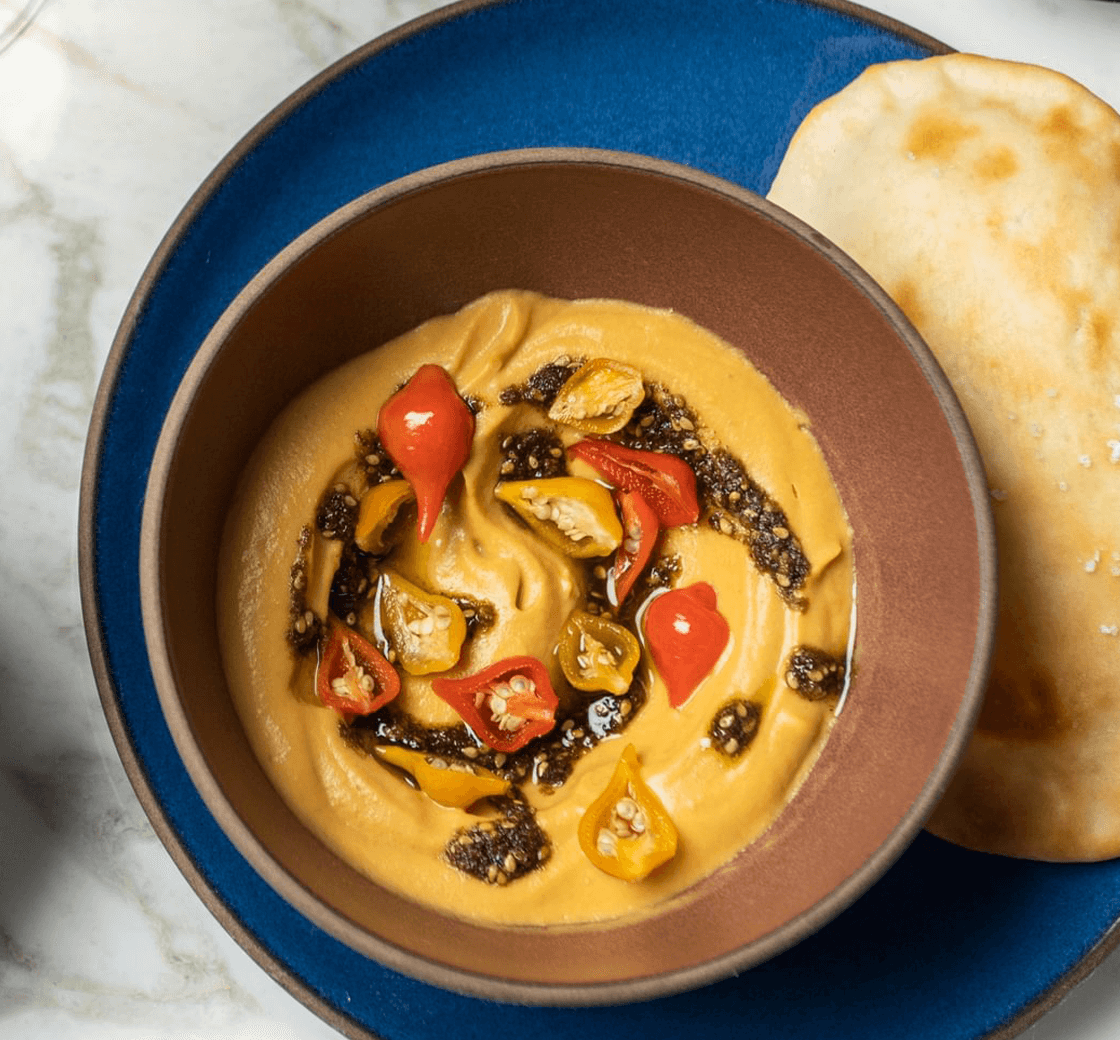
Fermentation is an ancient art touted for its health benefits, reducing waste, and robust flavor profile. Its versatility is embraced by chef professionals worldwide to elevate their creations. Each student will make four jarred ferments to take home and the class will conclude with cooking simple dishes to instruct you on how to best put your ferments to use in your own kitchen. Learn and uncover techniques, distinct flavor profiles, safety measure protocols and dish applications as you make and enjoy: fermented sweet and spicy red pepper relish hummus; fermented Moroccan carrot grain bowl; fermented cauliflower antipasti salad; loaded sweet potatoes with whipped tahini & fermented pomegranate salsa *this class is vegan & gluten free
 One 3 Hour Lesson
 Level 2
 $175
$175
You will work in teams to execute the class menu. At the end of class, participants gather to enjoy the food they have prepared. Wine is served with meals in most classes. All class menus are subject to change. While a snack platter is offered in both morning and evening classes, you may want to consider a light snack before joining us for class. Students are encouraged to bring a light lunch or dinner to all pastry classes.
You will work in teams to execute the class menu. At the end of class, participants gather to enjoy the food they have prepared. Wine is served with meals in most classes. All class menus are subject to change. While a snack platter is offered in both morning and evening classes, you may want to consider a light snack before joining us for class. Students are encouraged to bring a light lunch or dinner to all pastry classes.
New York City has some of the most famous steakhouses in the country. These classic establishments are known for a distinctive homey atmosphere and a trademark cuisine that has been pleasing diners for decades. Spend an evening learning the techniques and recipes you need to replicate your favorite steakhouse experience at home. You'll make and enjoy classic shrimp cocktail; Caesar salad; grilled New York strip with beurre Maître d'Hôtel; creamed spinach and truffled mashed potatoes.
The genius of Tuscan cuisine lies within its simplicity of fresh ingredients. The landscape is a romantic patchwork of grapevines, farmhouses and olive groves. If you and a date are considering an Italian countryside getaway, save yourself the plane tickets and join ICE for an intimate Tuscan feast where you will make: Tuscan chicken liver paté; shaved fennel and radicchio salad; handmade pappardelle with truffle sauce; and bistecca alla fiorentina.

Ranked as America’s Best Culinary School (USAToday 2019), our roster of Chef-Instructors have run top kitchens around the globe.


 Login/Register
 Calendar
 Gift Cards
 Login/Register


