We are currently experiencing issues with our gift card processing system. Our team is actively working on a solution to restore service.

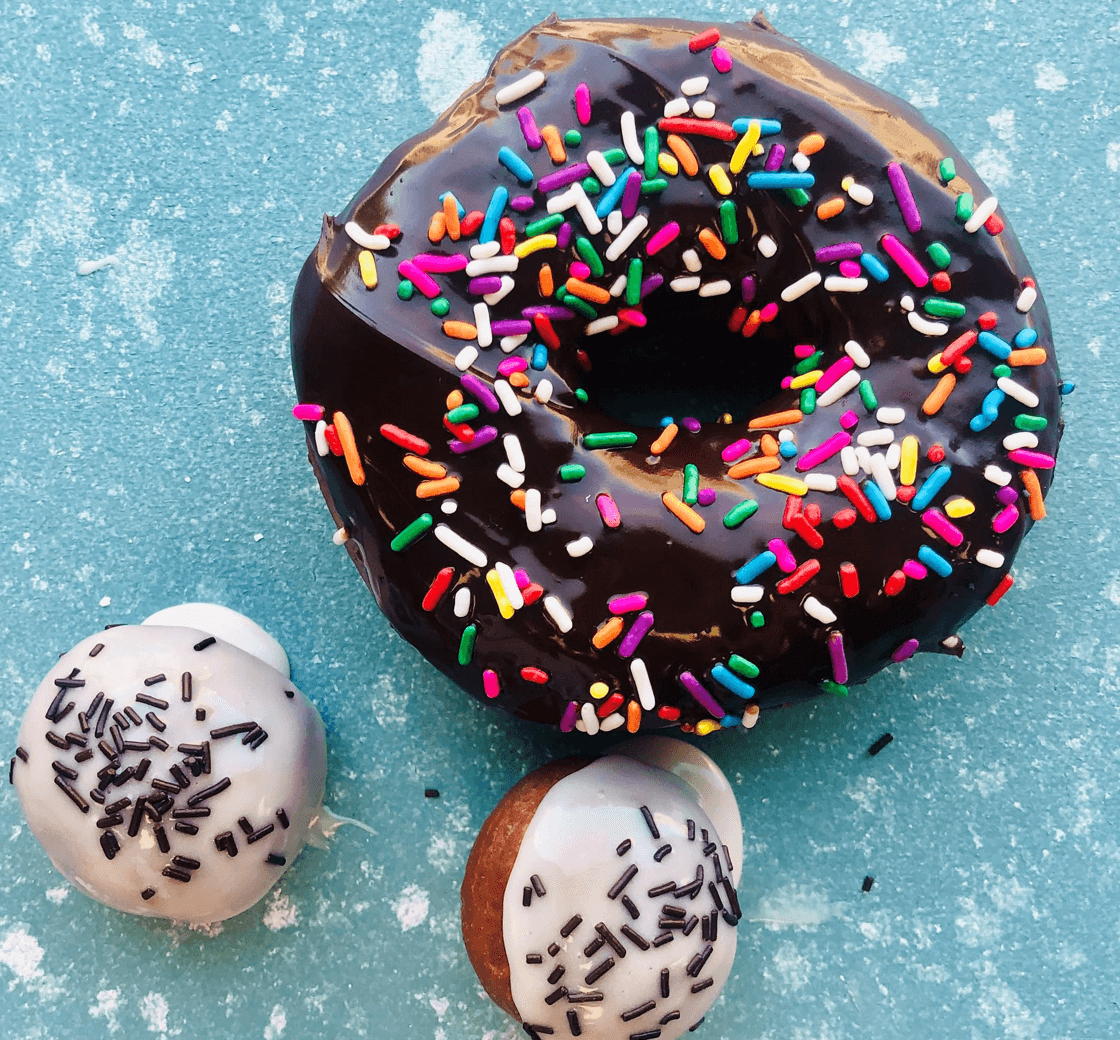
No one doesn't like doughnuts. That includes filled doughnuts, cake-style doughnuts, glazed doughnuts and much more. On Day 1, you'll learn how to make yeast and cake doughnut doughs; then create different fillings and toppings, including pastry creams and glazes. On Day 2, you'll fry and practice filling, icing and decorating your delicious doughnuts. Our menu includes: Boston cream; churros; French crullers; chocolate cake, jelly-filled; apple cider; and vanilla glazed doughnuts.
 Two 6 Hour Lessons
 Level 2
 $400
$400
You will work in teams to execute the class menu. At the end of class, participants gather to enjoy the food they have prepared. Wine is served with meals in most classes. All class menus are subject to change. While a snack platter is offered in both morning and evening classes, you may want to consider a light snack before joining us for class. Students are encouraged to bring a light lunch or dinner to all pastry classes.
You will work in teams to execute the class menu. At the end of class, participants gather to enjoy the food they have prepared. Wine is served with meals in most classes. All class menus are subject to change. While a snack platter is offered in both morning and evening classes, you may want to consider a light snack before joining us for class. Students are encouraged to bring a light lunch or dinner to all pastry classes.
This series covers all you need to know to create spectacular piped and hand-molded cake decorations. After completing the class, students will be able to design and create gorgeous cakes for friends and family. Courses in this series must be taken in sequence. Prerequisite: Techniques of Cake Decorating 1. Cake Decorating 2: Rolled fondant; ruffling; extension work; royal icing lacework; brush embroidery; and gum paste flowers.
Embark on a culinary journey around the world as we explore the vibrant and delectable world of bowl cuisine in this Asian Bowls class! You will learn to prepare four mouthwatering bowl recipes that draw inspiration from the flavors of Asia and the Pacific Islands. In this class you will make sesame noodle and tea smoked chicken bowl, Japanese teriyaki salmon bowl, and a classic Hawaiian poke bowl.
In this course, you'll learn the techniques to prepare four simple and delicious seafood dishes. The chef instructor will share tips and tricks for selecting the best seafood, and you'll sit down to your completed menu of: refreshing shrimp salad with herbal vinaigrette; Thai curry mussels; fish tacos; steamed fish en papillote with vegetable ribbons, citrus and herbs.
One of the oldest winemaking areas of the world, the Iberian Peninsula is currently considered one of the most exciting as well. Steeped in tradition, but not afraid to update and experiment, Spain offers an incredible array of elegant, delicious and varied wines. This class, led by ICE’s resident sommelier, Richard Vayda, offers a sampling of some top regions’ Reservas, as well as fascinating lesser-known examples. Specially chosen regional cheeses and bites will accompany our delightful tasting. We'll taste at least nine wines, plus matching cheeses.

Ranked as America’s Best Culinary School (USAToday 2019), our roster of Chef-Instructors have run top kitchens around the globe.


| (Separate multiple addresses with commas like: john@aol.com, jane@aol.com) | |


 Login/Register
 Calendar
 Login/Register


