We are currently experiencing issues with our gift card processing system. Our team is actively working on a solution to restore service.

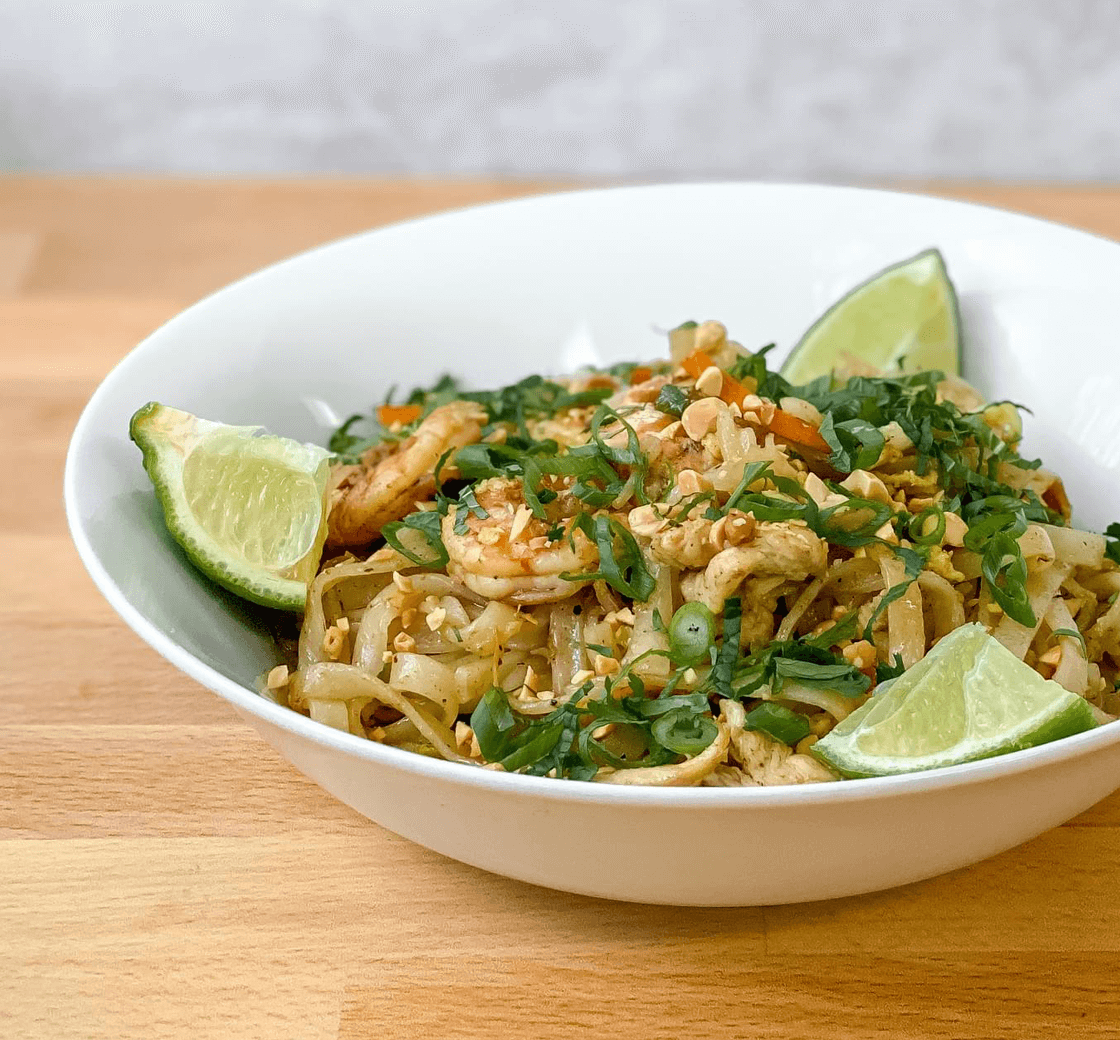
Influenced by both geography and culture, the cuisine of Thailand varies widely from region to region. In this make and take class, you’ll learn to cook authentic versions of some of the country’s most popular recipes. You’ll make green papaya salad; tom yum shrimp soup and chicken pad see ew.
 One 3 Hour Lesson
 Level 1
 $150
$150
You will work in teams to execute the class menu. At the end of class, participants gather to enjoy the food they have prepared. Wine is served with meals in most classes. All class menus are subject to change. While a snack platter is offered in both morning and evening classes, you may want to consider a light snack before joining us for class. Students are encouraged to bring a light lunch or dinner to all pastry classes.
You will work in teams to execute the class menu. At the end of class, participants gather to enjoy the food they have prepared. Wine is served with meals in most classes. All class menus are subject to change. While a snack platter is offered in both morning and evening classes, you may want to consider a light snack before joining us for class. Students are encouraged to bring a light lunch or dinner to all pastry classes.
Whether you're making a casual dinner or a gourmet multicourse meal. We'll cover techniques including poaching, sautéing, grilling and cooking risotto. Using your newly acquired skills, we'll make and dine on a complete meal of: grilled vegetable gratin; mushroom risotto; pan-seared steak with compound butter and mesclun salad with Dijon vinaigrette.
Asian cuisine is comforting, flavorful and often fairly simple to prepare. So why order in for Chinese, Korean, Thai or Japanese, when you can create a fabulous Asian meal for two (or more) that's fresh and fulfilling? Come to ICE to learn these cornerstones of Asian cuisine, including: spareribs with black bean sauce; vegetable potstickers; pad thai; and green papaya salad.
Before heading out to your local sushi bar for your next date night, come to ICE to learn how to create your own sushi and sake bar at home. Together, you'll start by learning the basics of how to make the foundation of all sushi: delicious, seasoned rice. You'll then create a variety of sushi accoutrements, along with vegetables and raw fish. Finally, you'll learn to make traditional hand rolls, maki, futomaki, and nigiri, before sitting down to eat with a refreshing glass of Japanese sake or a cucumber-sake cooler.
From coasts to prairies, the diverse geography of America results in an abundance of meat and fish varieties that eventually end up on our plates, deliciously prepared. In this class, you will prepare dishes that celebrate this bounty and highlight famed regional preparations. On your menu: Chesapeake Bay crab cakes with sauce rémoulade; New York strip steak with onion rings; and broccoli-cauliflower gratin.

Ranked as America’s Best Culinary School (USAToday 2019), our roster of Chef-Instructors have run top kitchens around the globe.


| (Separate multiple addresses with commas like: john@aol.com, jane@aol.com) | |


 Login/Register
 Calendar
 Login/Register


