We are currently experiencing issues with our gift card processing system. Our team is actively working on a solution to restore service.

In this demo, Sim Cass shows you how to cut doughnut shapes, make cream fillings and fill those doughnuts, then use various frying techniques! Dishes covered in this demo will include: basic doughnut dough; old-fashioned crullers; and Boston creams.
 One Hour 30 Minutes Lesson
 Level 1
 $40
$40
You will work in teams to execute the class menu. At the end of class, participants gather to enjoy the food they have prepared. Wine is served with meals in most classes. All class menus are subject to change. While a snack platter is offered in both morning and evening classes, you may want to consider a light snack before joining us for class. Students are encouraged to bring a light lunch or dinner to all pastry classes.
You will work in teams to execute the class menu. At the end of class, participants gather to enjoy the food they have prepared. Wine is served with meals in most classes. All class menus are subject to change. While a snack platter is offered in both morning and evening classes, you may want to consider a light snack before joining us for class. Students are encouraged to bring a light lunch or dinner to all pastry classes.
Seafood, vegetables, whole grains, herbs and olive oil are among the ingredients most associated with countries bordering the Mediterranean Sea. They make for flavorful dishes that trigger memories of sunbathed vacations and leisurely meals. This class focuses on the cuisines of Southern France, Eastern Spain, Italy and Greece. You will cook your way through a menu-map that includes French olive tapenade on garlic toast; Greek briam; Spanish fideua Catalania; and Sicilian pesce spada.
Combine light, flaky crust and seasonal summer fruit fillings to wow any crowd! ICE pastry chefs will give you all the secrets for making a perfect pie crust, teaching you the same techniques and tips used by ICE career pastry grads at New York's top restaurants. Working in teams of two, you'll make two 6-inch pies from scratch. Choose from: strawberry rhubarb crumble; peach pie with almond crumble; blueberry lattice; and cherry lattice.
One of the world's oldest cultures, China has a complex cuisine, with a range of regional dishes often not found anywhere outside of the country. Some techniques, ingredients and dishes are similar throughout all of China; this Essentials class focuses on those, giving you a well-rounded overview of Chinese food and culinary culture. From stir-frying and braising to steaming and red cooking, you will learn to use traditional Chinese techniques to make a menu that includes: scallion pancakes with dipping sauce; red-cooked chicken with rice; dan dan noodles; and Chinese broccoli with oyster sauce.
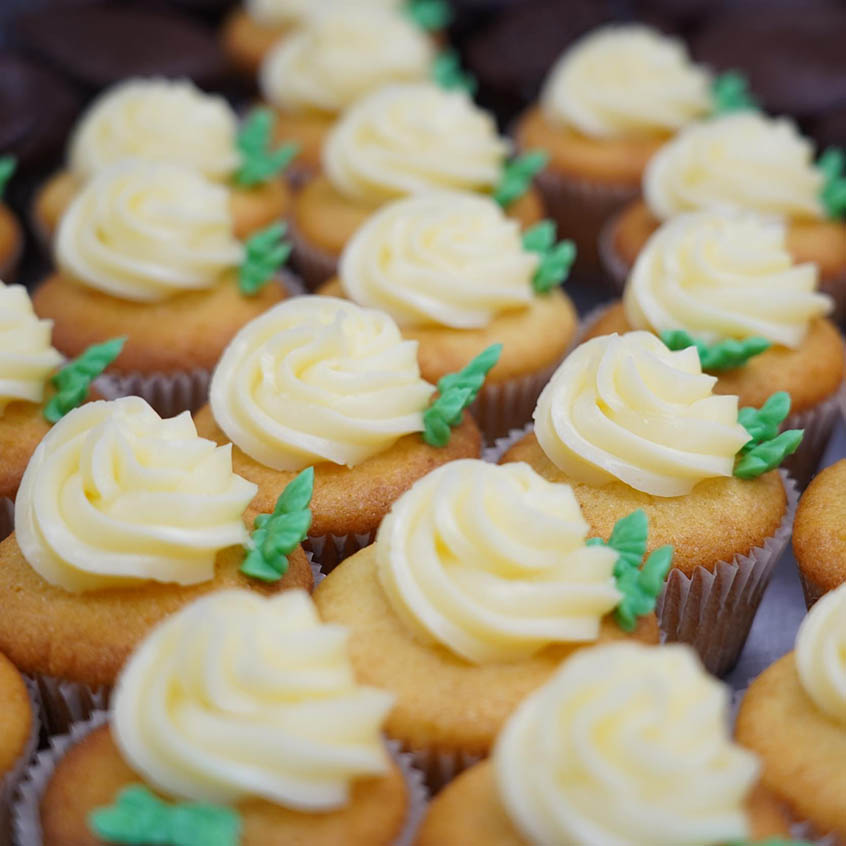
These delightful cupcakes come in a range of flavors and frostings, not to mention some well-matched fillings. As we make the cakes, fillings and frostings from scratch, we'll pair strawberry with vanilla, chocolate with white chocolate ganache, peanut butter with chocolate icing, and even birthday cupcakes with a piñata surprise of sprinkles inside. Your cupcake menu: strawberry shortcake with vanilla bean cake and whipped vanilla bean buttercream; chocolate trio with dark chocolate cake, white chocolate ganache and milk chocolate frosting; birthday "piñata" cupcakes with sprinkle buttercream; and peanut butter and chocolate cupcakes with peanut butter frosting.

Ranked as America’s Best Culinary School (USAToday 2019), our roster of Chef-Instructors have run top kitchens around the globe.


| (Separate multiple addresses with commas like: john@aol.com, jane@aol.com) | |


 Login/Register
 Calendar
 Login/Register


