We are currently experiencing issues with our gift card processing system. Our team is actively working on a solution to restore service.

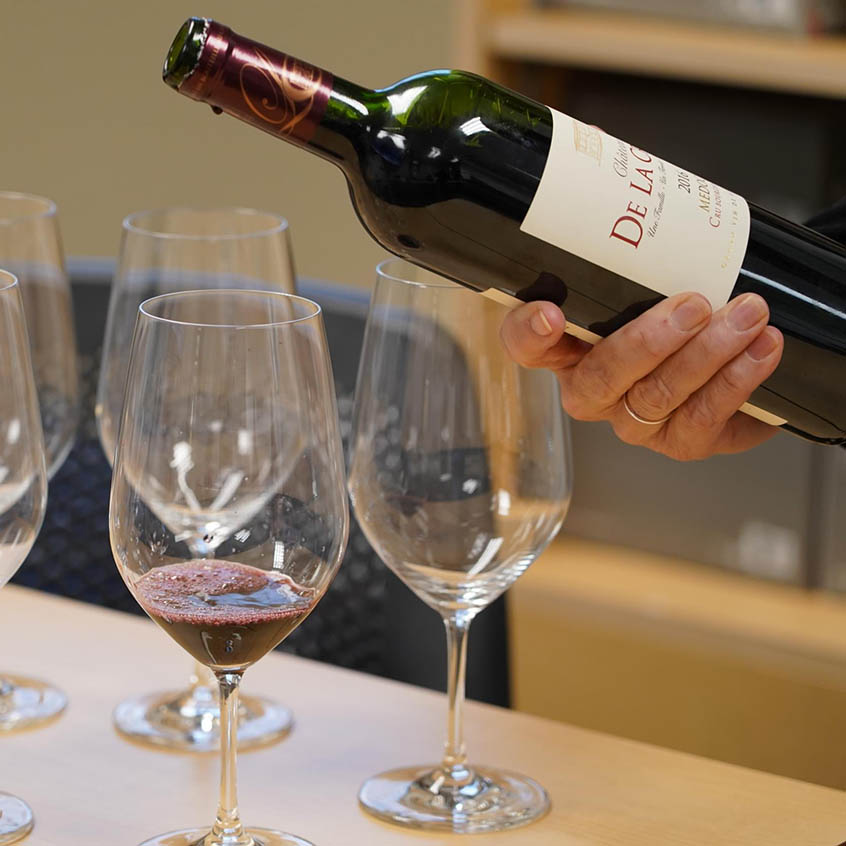
Are you a serious wine lover looking to deepen your knowledge? Do you want access to the same wine training that Danny Meyer's sommeliers receive? Do you want to learn to talk intelligently about wine, or start your own collection? If you answered "yes" to any of these questions, you'll thoroughly enjoy this 10-week journey through the wine regions of the world, brought to you by ICE along with Union Square Hospitality Group wine director and Master Sommelier John Ragan. Each week, the course will feature guest instructors, including ICE's director of wine studies, Richard Vayda, as well as wine directors and sommeliers from Union Square Cafe, Gramercy Tavern, The Modern, and other restaurants from the USHG family. As part of each class, light bites will be provided by ICE's chefs. This fast-paced and dynamic curriculum, previously offered exclusively for USHG staff, will take you through all the great wine regions of the world. You'll get new insights into tasting, pairing, collecting, and much more, all from the industry-insider perspectives of both ICE's renowned faculty and Danny Meyer's award-winning restaurant group!
 Ten 2 Hour 30 Minutes Lessons
 Level 1
 $1895
$1895
You will work in teams to execute the class menu. At the end of class, participants gather to enjoy the food they have prepared. Wine is served with meals in most classes. All class menus are subject to change. While a snack platter is offered in both morning and evening classes, you may want to consider a light snack before joining us for class. Students are encouraged to bring a light lunch or dinner to all pastry classes.
You will work in teams to execute the class menu. At the end of class, participants gather to enjoy the food they have prepared. Wine is served with meals in most classes. All class menus are subject to change. While a snack platter is offered in both morning and evening classes, you may want to consider a light snack before joining us for class. Students are encouraged to bring a light lunch or dinner to all pastry classes.
Let's eat like we're in Italy, from the apps all the way through to a rich dessert! These dishes put you back in that Mediterranean mindset...even if you've never been there. Make and sit down to this warm, comforting Italian banquet of: fried zucchini with Parmesan; veal saltimbocca alla romana; spaghetti carbonara; cavolfiore alla napoletana (cauliflower with raisins and pine nuts).
This fun class is especially designed for chile-heads. Couples will collaborate to cook an international menu that hits every region of the hot-and-spicy world --- along with cooling, refreshing cocktails. Your menu includes: blistered shishito peppers; Nigerian beef suya skewers; Korean buldak ("fiery chicken"); cooling cucumber salad; and Thai iced tea.
Embark on a culinary journey around the world as we explore the vibrant and delectable world of bowl cuisine in this Asian Bowls class! You will learn to prepare four mouthwatering bowl recipes that draw inspiration from the flavors of Asia and the Pacific Islands. In this class you will make sesame noodle and tea smoked chicken bowl, Japanese teriyaki salmon bowl, and a classic Hawaiian poke bowl.

Ranked as America’s Best Culinary School (USAToday 2019), our roster of Chef-Instructors have run top kitchens around the globe.


| (Separate multiple addresses with commas like: john@aol.com, jane@aol.com) | |


 Login/Register
 Calendar
 Login/Register


