
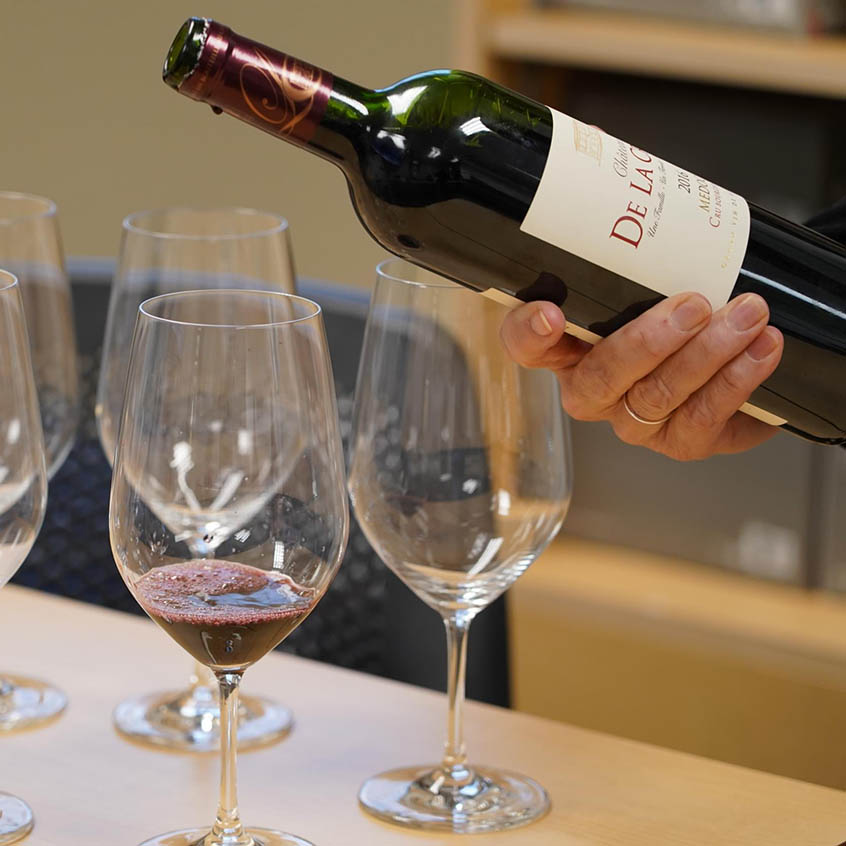
Are you a working bartender looking to take your technique and product knowledge to the next level? Are you a cocktail aficionado who wants to learn how the pros make drinks? If you want a rock-solid foundation in the history, science, and skills behind professional mixology, this course is for you. During the first session, you will learn the history, traditions, and production methods behind each major category of alcoholic beverage (vodka, gin, rum, tequila, whiskey, bourbon, Scotch, beer, and wine), and discuss their flavor profiles and common uses. You’ll do tastings of the popular brands, then learn all of the most common drinks for each liquor. The very hands-on second session will cover recipes and mixing techniques for both classic and modern cocktails. You’ll learn all about bar setup, glassware, pouring, mixing techniques for each type of drink, best practices, service speed and working clean, recipes, and popular cocktails (straight and rocks; highballs; juice drinks, multi-liquor drinks; martinis; frozen drinks; pousse-cafés; hot drinks; beer and wine cocktails). You'll then have the opportunity to make each drink under Anthony Caporale’s guidance. Anthony Caporale is the producer and host of Art of the Drink TV and beverage director for Mesa Grill, Bobby Flay's flagship restaurant. Caporale has over 20 years of experience as a bar chef and bar instructor, and has been involved in the opening of a dozen major restaurants.
 Two 3 Hour Lessons
 Level 1
 $150
$150
You will work in teams to execute the class menu. At the end of class, participants gather to enjoy the food they have prepared. Wine is served with meals in most classes. All class menus are subject to change. While a snack platter is offered in both morning and evening classes, you may want to consider a light snack before joining us for class. Students are encouraged to bring a light lunch or dinner to all pastry classes.
You will work in teams to execute the class menu. At the end of class, participants gather to enjoy the food they have prepared. Wine is served with meals in most classes. All class menus are subject to change. While a snack platter is offered in both morning and evening classes, you may want to consider a light snack before joining us for class. Students are encouraged to bring a light lunch or dinner to all pastry classes.
If you can't get enough of the wonderful steaks, salads, and sides at Gotham's top eateries, join us for this follow-up to one of our most popular classes, The Great New York Steakhouse. In this iteration, we expand upon the classic dishes served at the most celebrated chophouses in this gastronomic city. On your menu: clams casino; wedge salad; filet mignon au poivre with cognac cream sauce; hand-cut fries and grilled asparagus.
Asian cuisine is comforting, flavorful and often fairly simple to prepare. So why order in for Chinese, Korean, Thai or Japanese, when you can create a fabulous Asian meal for two (or more) that's fresh and fulfilling? Come to ICE to learn these cornerstones of Asian cuisine, including: spareribs with black bean sauce; vegetable potstickers; pad thai; and green papaya salad.
Cocktails and Apps Summer Edition is the perfect way to enjoy a summer evening with new friends while sipping on two great new cocktails! Come mix it up with our Chef as you are professionally guided through these tasty and easy to make appetizers: light and delicious Frito Misto, spicy and fresh Gazpacho Shots, savory and sweet grilled peaches and prosciutto crostini, warm and inviting crab dip with fresh tortilla chips and tangy chili lime summer snack mix. Wash it all down with Yuzo Mojitos and Rose Aperol Spritzes! Looking to keep it alcohol free? You'll love our NA sparkling Rose!
Discover the bold, aromatic flavors of Ethiopian cuisine in this hands-on plant-based cooking class. Using traditional spices and techniques, we’ll create a vibrant menu of stews, pastries, and vegetables, and we’ll consider the textures and tastes that make Ethiopian cuisine – and the regional cuisines within it – unique. Students will work in groups to prepare Curried Chickpea & Lentil Stew with Warm Injera Bread; Lentil Jalapeño Sambusa Pastries with Cilantro Citrus Relish; Cumin Sizzled Collard Greens with Tomato Chili Confit; Berbere Seared Mushrooms with Charred Eggplant Purée; Orange & Caramelized Leek Wild Rice Pilaf; and Ethiopian Coffee Chocolate Avocado Mousse.

Ranked as America’s Best Culinary School (USAToday 2019), our roster of Chef-Instructors have run top kitchens around the globe.


 Login/Register
 Calendar
 Gift Cards
 Login/Register


