We are currently experiencing issues with our gift card processing system. Our team is actively working on a solution to restore service.

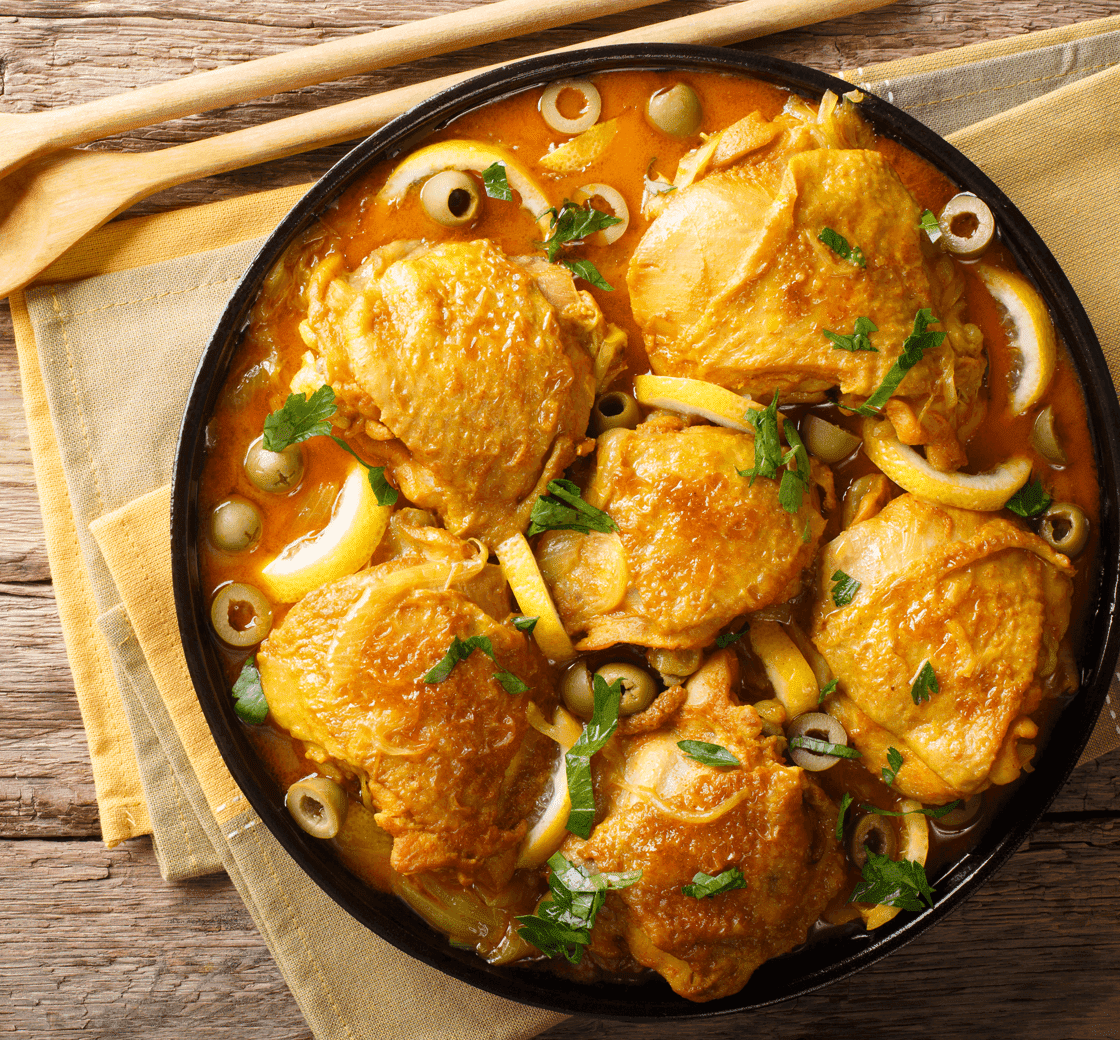
The history, culture and geography of Morocco are all richly evocative. It is easy to imagine yourself sipping mint tea while sitting on a terrace in Casablanca or Marrakech, or hiking the Atlas Mountains. The cuisine of Morocco reflects its Berber, Mediterranean, African and European influences, with a generous use of powerful spices. In this class, you will make some of the most acclaimed dishes of the Moroccan repertoire, including: grilled kefta (lamb) kebabs; chicken tagine with preserved lemons and olives; sweet spiced couscous; carrot salad with lemon-herb dressing and harissa.
 One 3 Hour Lesson
 Level 1
 $150
$150
You will work in teams to execute the class menu. At the end of class, participants gather to enjoy the food they have prepared. Wine is served with meals in most classes. All class menus are subject to change. While a snack platter is offered in both morning and evening classes, you may want to consider a light snack before joining us for class. Students are encouraged to bring a light lunch or dinner to all pastry classes.
You will work in teams to execute the class menu. At the end of class, participants gather to enjoy the food they have prepared. Wine is served with meals in most classes. All class menus are subject to change. While a snack platter is offered in both morning and evening classes, you may want to consider a light snack before joining us for class. Students are encouraged to bring a light lunch or dinner to all pastry classes.
A bold blend of East Asia, Southeast Asia and France, Vietnamese food captivates through its refreshing flavors, varied textures and vibrant colors. In this class, you will explore the fundamental techniques and ingredients behind some of Vietnam's treasured dishes, including goi dua chuot (cucumber and shrimp salad); Banh Mi (baguette sandwiches filled with five-spice beef and pickled vegetables) and Ga Xao Xa Ot (chicken stir-fried with lemongrass and chile).
These delightful cupcakes come in a range of flavors and frostings, not to mention some well-matched fillings. As we make the cakes, fillings and frostings from scratch, we'll pair strawberry with vanilla, chocolate with white chocolate ganache, peanut butter with chocolate icing, and even birthday cupcakes with a piñata surprise of sprinkles inside. Your cupcake menu: strawberry shortcake with vanilla bean cake and whipped vanilla bean buttercream; chocolate trio with dark chocolate cake, white chocolate ganache and milk chocolate frosting; birthday "piñata" cupcakes with sprinkle buttercream; and peanut butter and chocolate cupcakes with peanut butter frosting.
Asian cuisine is comforting, flavorful and often fairly simple to prepare. So why order in for Chinese, Korean, Thai or Japanese, when you can create a fabulous Asian meal for two (or more) that's fresh and fulfilling? Come to ICE to learn these cornerstones of Asian cuisine, including: spareribs with black bean sauce; vegetable potstickers; pad thai; and green papaya salad.

Ranked as America’s Best Culinary School (USAToday 2019), our roster of Chef-Instructors have run top kitchens around the globe.


| (Separate multiple addresses with commas like: john@aol.com, jane@aol.com) | |


 Login/Register
 Calendar
 Login/Register


