We are currently experiencing issues with our gift card processing system. Our team is actively working on a solution to restore service.

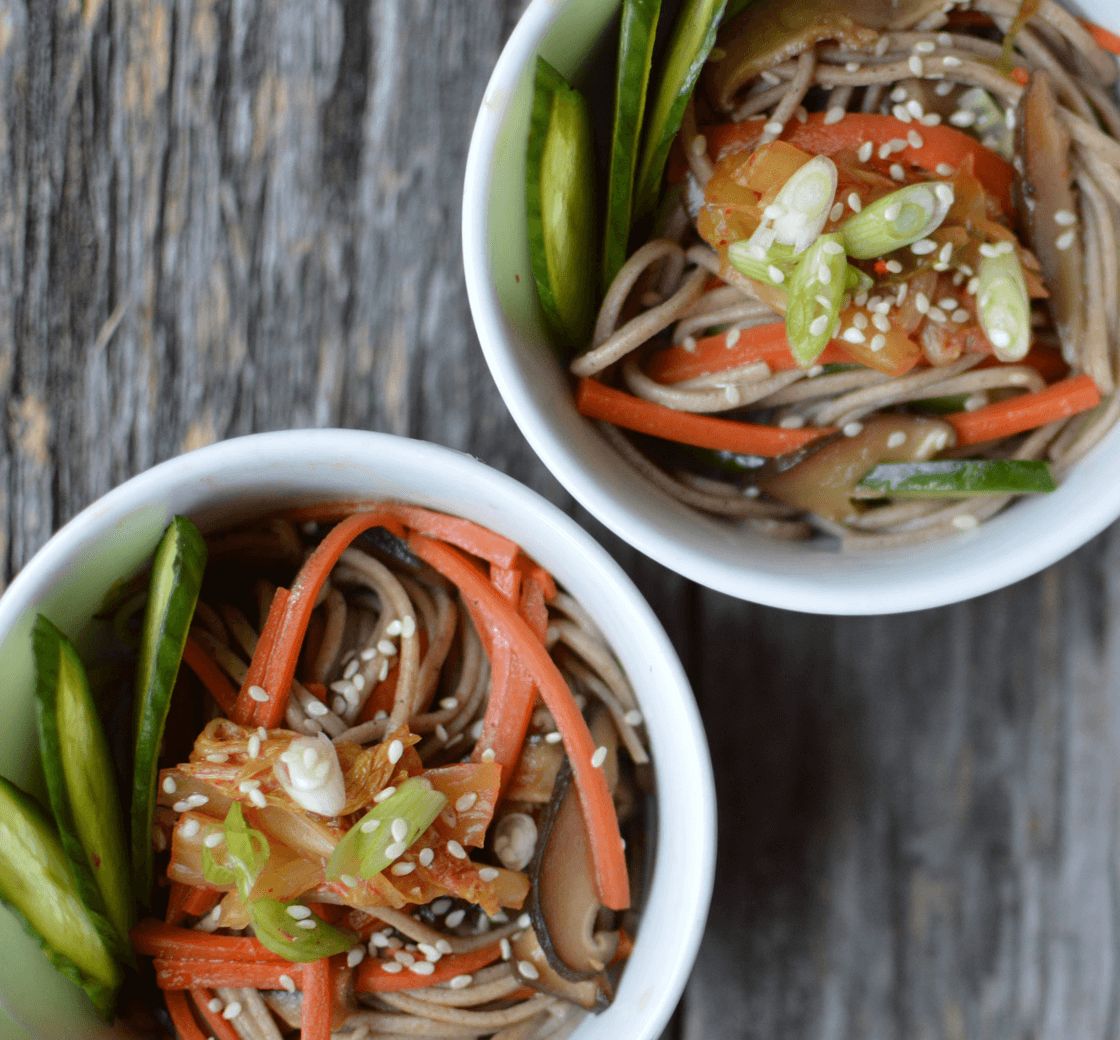
Fermentation is an ancient art touted for its health benefits, reducing waste, and robust flavor profile. Its versatility is embraced by chef professionals worldwide to elevate their creations. Each student will make four jarred ferments to take home and the class will conclude with cooking simple dishes to instruct you on how to best put your ferments to use in your own kitchen. Learn and uncover techniques, distinct flavor profiles, safety measure protocols and dish applications as you make and enjoy: gochugaru toasted sesame kimchi; fermented seven spice mango onigiri; fermented green papaya salad with crushed peanuts; Korean banchan golden radish kimbap *this class is vegan and gluten free
 One 4 Hour Lesson
 Level 2
 $175
$175
You will work in teams to execute the class menu. At the end of class, participants gather to enjoy the food they have prepared. Wine is served with meals in most classes. All class menus are subject to change. While a snack platter is offered in both morning and evening classes, you may want to consider a light snack before joining us for class. Students are encouraged to bring a light lunch or dinner to all pastry classes.
You will work in teams to execute the class menu. At the end of class, participants gather to enjoy the food they have prepared. Wine is served with meals in most classes. All class menus are subject to change. While a snack platter is offered in both morning and evening classes, you may want to consider a light snack before joining us for class. Students are encouraged to bring a light lunch or dinner to all pastry classes.
For a flash course on all the basics you need to make a varied and impressive meal, look no further. With a professional chef, you'll gain the skills vital for moving through any simple menu with ease. You'll practice knife skills, roasting vegetables, cooking proteins with a pan sauce and a vinaigrette. Then you'll use what you learned as you make a menu of: popovers; sautéed chicken with classic pan sauce; roasted root vegetable salad with fresh herb dressing and garlic mashed potatoes.
From bibimbap to bulgogi, the signature dishes of Korea have seduced America with intoxicating flavors. Sweet-spicy flavor combos are popular, as are the vegetables, meat and seafood that are featured in main dishes as well as in banchan, the Korean assortment of side dishes that appears in most traditional meals. You will learn to make dakgangjeong (hot chicken wings); bulgogi (grilled seasoned sliced beef) with assorted banchan; and bibimbap (seasoned vegetable rice bowl).
This class is for the Italian food enthusiast! ICE Boot Camps give you the opportunity to learn how to cook and bake like the pros. This four-day Boot Camp focuses on the class cooking techniques and regional cuisines of Italy. On day one, we will tour Northwest Italy with a focus on fresh pastas. You will learn classic pasta dough techniques; how to extrude pasta and shape gnocchi and ravioli. On day two, we will cover the five courses of the Italian meal (antipasti, primi, secundo de pesce, secundo de carne, contorni) and explore the cuisine of Northeastern Italy. On day three, our main focus will be the the four pastas of Rome (carbonara, cacio e pepe, alla gricia and amatricana) while we also cover the regional cuisine of central Italy. On our final day, we will head to southern Italy and explore classic dishes like pesce all acqua pazza and fritti di melanzane as well as learn how to make fresh mozzarella.

Ranked as America’s Best Culinary School (USAToday 2019), our roster of Chef-Instructors have run top kitchens around the globe.


| (Separate multiple addresses with commas like: john@aol.com, jane@aol.com) | |


 Login/Register
 Calendar
 Login/Register


