
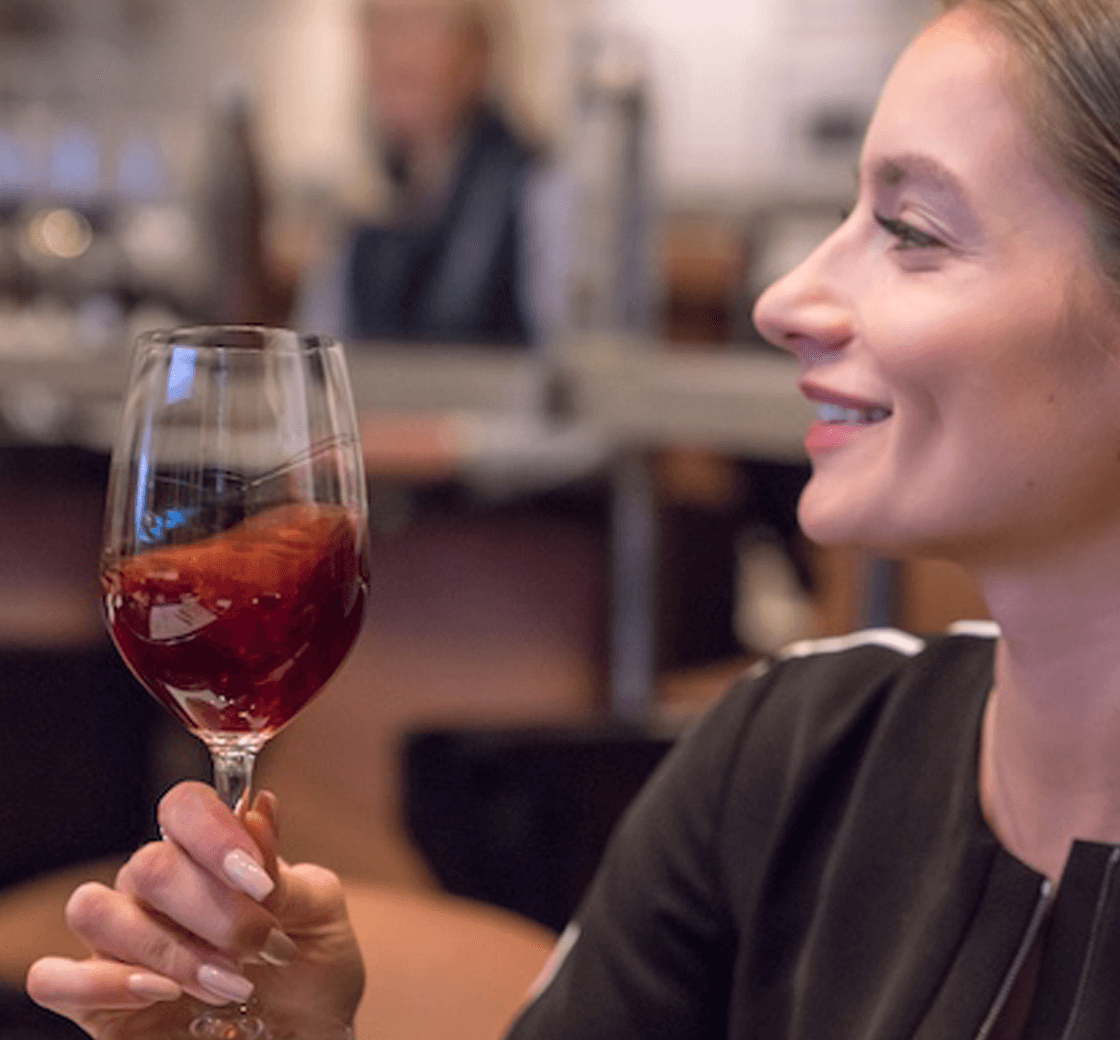
This two-session class, crafted by ICE's resident sommelier, Richard Vayda, is tailored to the wine novice who wants a quick, fun and basic introduction to the world of the grape. You'll learn the fundamentals of wine, wine tasting and appreciation, which will start you on the road to critically judging wine color, aroma, flavor and body. You’ll discover the meaning of such wine concepts as dryness, acidity, fruitiness, tannins, varietals, vintages and more. Participants interested in continuing their exploration of wine are encouraged to go on to Wine Essentials. We'll taste up to 18 wines, plus matching cheeses.
 Two 2 Hour 15 Minutes Lessons
 Level 1
 $250
$250
You will work in teams to execute the class menu. At the end of class, participants gather to enjoy the food they have prepared. Wine is served with meals in most classes. All class menus are subject to change. While a snack platter is offered in both morning and evening classes, you may want to consider a light snack before joining us for class. Students are encouraged to bring a light lunch or dinner to all pastry classes.
You will work in teams to execute the class menu. At the end of class, participants gather to enjoy the food they have prepared. Wine is served with meals in most classes. All class menus are subject to change. While a snack platter is offered in both morning and evening classes, you may want to consider a light snack before joining us for class. Students are encouraged to bring a light lunch or dinner to all pastry classes.
Take a trip to the Mediterranean with "Essentials of Greek Cooking." This class reveals the secrets behind beloved Greek dishes by focusing on fresh ingredients and traditional techniques. You'll learn to make flaky, savory Spanakopita; master the art of delicate Dolmades (stuffed grape leaves) with bright Avgolemeno sauce; prepare a classic Horiatiki Salad; and create comforting Kota Kapama (a flavorful chicken and orzo dish simmered in a rich tomato sauce). Immerse yourself in the vibrant flavors and traditions of Greek cuisine!
Combine light, flaky crust and seasonal summer fruit fillings to wow any crowd! ICE pastry chefs will give you all the secrets for making a perfect pie crust, teaching you the same techniques and tips used by ICE career pastry grads at New York's top restaurants. Working in teams of two, you'll make two 6-inch pies from scratch. Choose from: strawberry rhubarb crumble; peach pie with almond crumble; blueberry lattice; and cherry lattice.
There's nothing like handmade pasta's flavor and texture, and in this class, we'll have a blast leaning how to make fresh handmade pasta, stuffed pasta, perfect sauces and all the accompaniments! There's nothing like handmade pasta's flavor and texture. Together, we'll learn to make dough the Old World way, then how to shape, cut and stuff it. You and your partner will create a complete fresh Italian dinner of: pappardelle with Bolognese; burro e salvia (butternut squash ravioli with sage butter).
When it comes to healthy eating practices, no one can argue the importance of including whole-food, plant-based ingredients on your plate. We’ve taken the Meatless Monday campaign and applied it to any day of the week. Learn how to incorporate more vegetables, whole grains and beans into your diet with ease. These recipes will take you beyond Monday with robust yet simple-to-prepare vegan dishes. We'll also discuss the health benefits of a vegetarian diet, the best sources for protein, and how to obtain important vitamins and minerals. On your menu: watermelon gazpacho with kale chips and avocado crème; French lentil and toasted sunflower seed burgers with red cabbage slaw and grilled summer squash, zucchini and portobello mushroom kebabs.

Ranked as America’s Best Culinary School (USAToday 2019), our roster of Chef-Instructors have run top kitchens around the globe.


 Login/Register
 Calendar
 Gift Cards
 Login/Register


