We are currently experiencing issues with our gift card processing system. Our team is actively working on a solution to restore service.

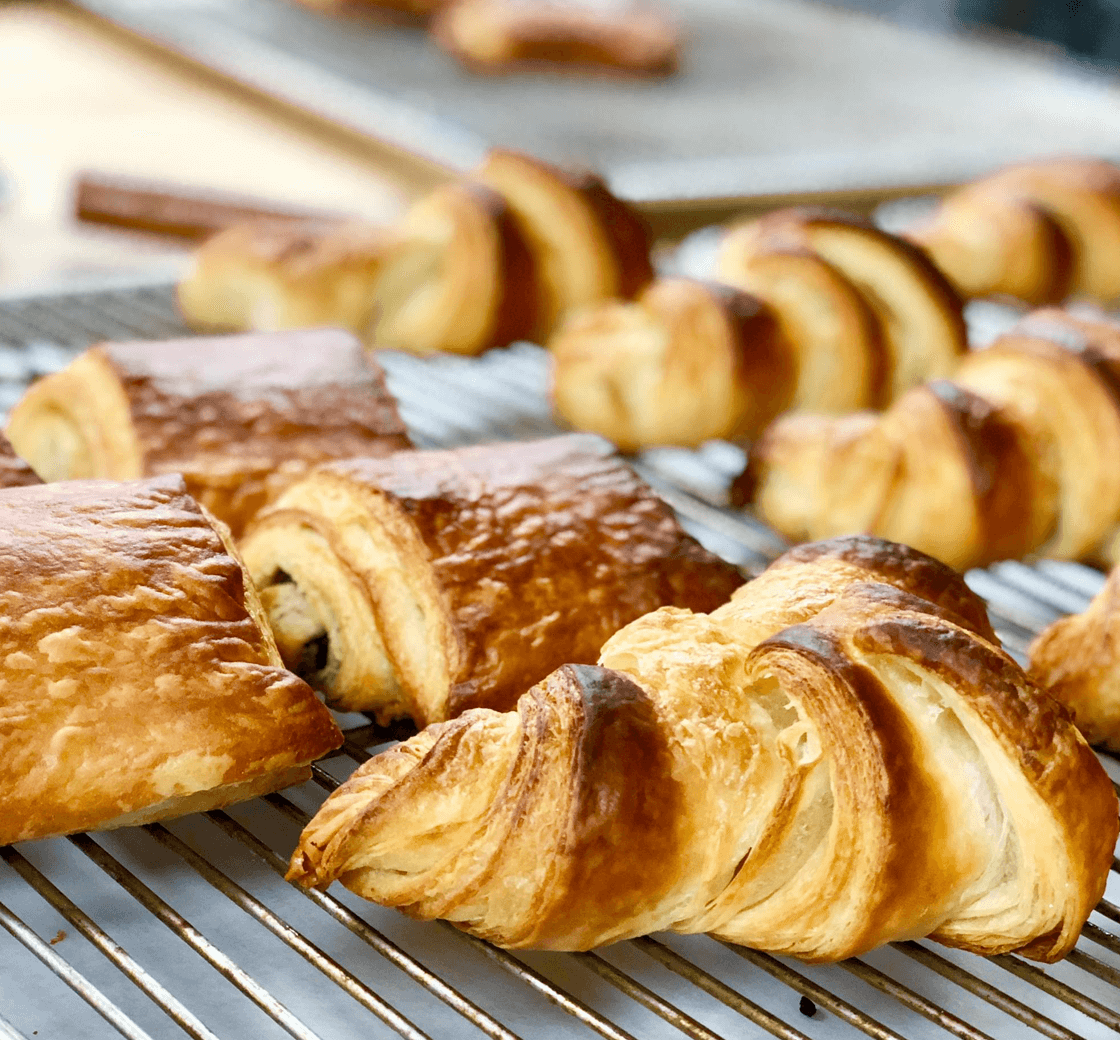
Have you ever wondered how to make the buttery, flaky brioche loaves and croissants found at fancy bakeries? This class will show you how. During Day 1 of this two-day workshop, you’ll learn how to see the process through, from creating the dough to letting it rise to shaping your own luscious baked goods. On Day 2, you'll complete a menu of: brioche à tête (brioche in the classic fluted, top knotted shape); pain au raisins; classic croissants; almond croissants; chocolate croissants; and croissant monkey bread.
 Two 6 Hour Lessons
 Level 2
 $400
$400
You will work in teams to execute the class menu. At the end of class, participants gather to enjoy the food they have prepared. Wine is served with meals in most classes. All class menus are subject to change. While a snack platter is offered in both morning and evening classes, you may want to consider a light snack before joining us for class. Students are encouraged to bring a light lunch or dinner to all pastry classes.
You will work in teams to execute the class menu. At the end of class, participants gather to enjoy the food they have prepared. Wine is served with meals in most classes. All class menus are subject to change. While a snack platter is offered in both morning and evening classes, you may want to consider a light snack before joining us for class. Students are encouraged to bring a light lunch or dinner to all pastry classes.
Elevate your Indian cooking skills with our "Essentials of Indian Cooking II" class. Explore the diverse flavors of India as you learn to prepare an authentic menu of Rogan Josh, Saucy Shrimp Vindaloo, Tadka Dal, and Fragrant Cumin Rice Pulao. Our expert chef will guide you through the techniques and ingredients that make Indian cuisine so flavorful and aromatic.
Embark on a culinary journey through Iran with our "Essentials of Persian Cooking" class. Discover the secrets of authentic Persian cuisine as you learn to prepare classic dishes like Tahdig, a crispy rice dish, the savory Fesenjan stew, the vibrant Kuku Subzi, and the refreshing Cucumber and Tomato Salad. Our expert chef will guide you through the techniques and ingredients that make Persian food so unique and delicious.
One of the oldest winemaking areas of the world, the Iberian Peninsula is currently considered one of the most exciting as well. Steeped in tradition, but not afraid to update and experiment, Spain offers an incredible array of elegant, delicious and varied wines. This class, led by ICE’s resident sommelier, Richard Vayda, offers a sampling of some top regions’ Reservas, as well as fascinating lesser-known examples. Specially chosen regional cheeses and bites will accompany our delightful tasting. We'll taste at least nine wines, plus matching cheeses.
For a flash course on all the basics you need to make a varied and impressive meal, look no further. With a professional chef, you'll gain the skills vital for moving through any simple menu with ease. You'll practice knife skills, roasting vegetables, cooking proteins with a pan sauce and a vinaigrette. Then you'll use what you learned as you make a menu of: popovers; sautéed chicken with classic pan sauce; roasted root vegetable salad with fresh herb dressing and garlic mashed potatoes.

Ranked as America’s Best Culinary School (USAToday 2019), our roster of Chef-Instructors have run top kitchens around the globe.


| (Separate multiple addresses with commas like: john@aol.com, jane@aol.com) | |


 Login/Register
 Calendar
 Login/Register


