We are currently experiencing issues with our gift card processing system. Our team is actively working on a solution to restore service.

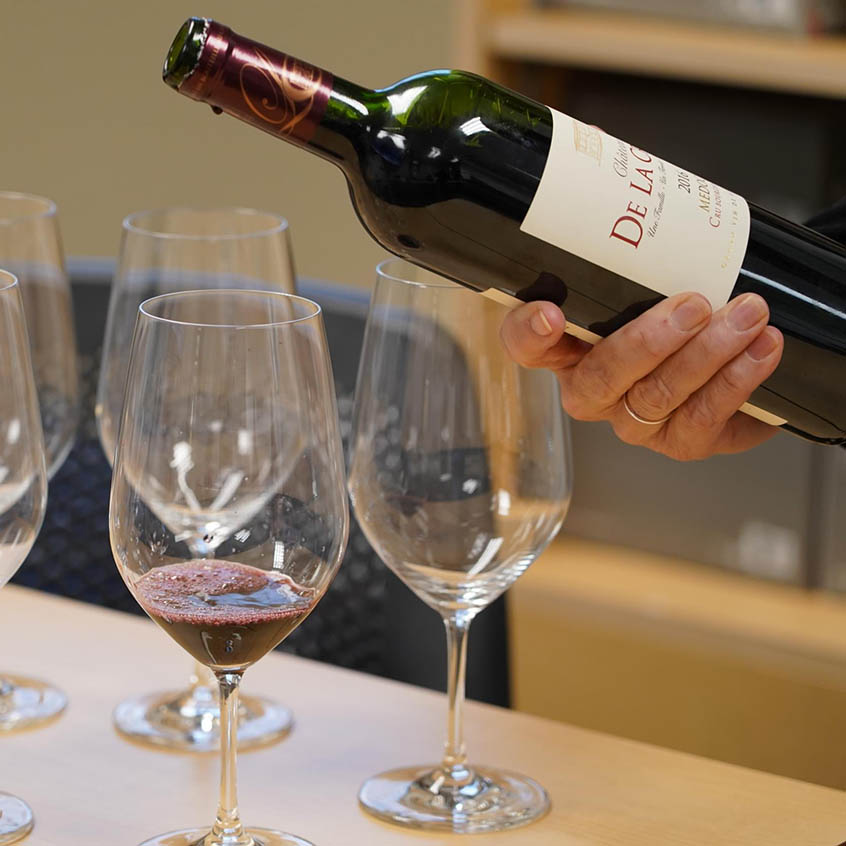
Nothing is more daunting than having a wine list the size of a phonebook, swimming with incomprehensible foreign terms, dumped into your lap while you’re trying to enjoy a night out. Never fear! This class will forever help you navigate those perilous shoals. Using samples from contemporary wine lists, ICE Director of Wine Studies Richard Vayda will explain the meaning behind the various terms and categories on the typical wine list, and illustrate each by pouring you samples to enjoy. By evening’s end, you will have a firm grasp of the subject and enough background to make informed, delicious choices --- and actually have fun while doing it!
 One 2 Hour Lesson
 Level 1
 $100
$100
You will work in teams to execute the class menu. At the end of class, participants gather to enjoy the food they have prepared. Wine is served with meals in most classes. All class menus are subject to change. While a snack platter is offered in both morning and evening classes, you may want to consider a light snack before joining us for class. Students are encouraged to bring a light lunch or dinner to all pastry classes.
You will work in teams to execute the class menu. At the end of class, participants gather to enjoy the food they have prepared. Wine is served with meals in most classes. All class menus are subject to change. While a snack platter is offered in both morning and evening classes, you may want to consider a light snack before joining us for class. Students are encouraged to bring a light lunch or dinner to all pastry classes.
Braising - searing at a high temperature, then finishing in a liquid at a lower temperature to infuse flavor - can add umami and more to pretty much any meal! And the best part is, it creates tender, juicy dishes with a minimum of effort. We'll master this technique as we make a braised banquet of: Guinness-braised short ribs with creamy polenta; braised chicken thighs with mushrooms and balsamic vinegar and braised fennel.
Bordered by both the Mediterranean and the Atlantic, with snow-capped peaks and lush green valleys, the diverse geography of France offers the best ingredients from the land and sea. You'll get a taste of the best of all those regions in this class. For your Francophile meal, you will prepare and enjoy frisée salad with shallot-bacon vinaigrette; steak frites (sautéed steak with hand-cut french fries); bouillabaisse (seafood soup from Marseille); and honey lavender blanc mange.
One of the world's oldest cultures, China has a complex cuisine, with a range of regional dishes often not found anywhere outside of the country. Some techniques, ingredients and dishes are similar throughout all of China; this Essentials class focuses on those, giving you a well-rounded overview of Chinese food and culinary culture. From stir-frying and braising to steaming and red cooking, you will learn to use traditional Chinese techniques to make a menu that includes: scallion pancakes with dipping sauce; red-cooked chicken with rice; dan dan noodles; and Chinese broccoli with oyster sauce.
In this new cinnamon rolls and hot cross buns class, you’ll bake two treats guaranteed to wow your brunch guests (and guaranteed to solidify your position in the friend group as “host with the most”). Aromatic and comforting, cinnamon rolls and hot cross buns are joy-filled food hugs. Sign up to bake them today!

Ranked as America’s Best Culinary School (USAToday 2019), our roster of Chef-Instructors have run top kitchens around the globe.


| (Separate multiple addresses with commas like: john@aol.com, jane@aol.com) | |


 Login/Register
 Calendar
 Login/Register


